


About six months after members of Kibbutz e’eri voted to demolish homes damaged in the October 7 massacre, the home of Avida Bachar was torn down Monday. Bachar's wife, Dana, and his son Carmel, were murdered in the Hamas massacre. Bachar, who managed the kibbutz’s agriculture branch, was seriously wounded and lost his leg.
“This was a home with a lot of life in it,” Bachar told ynet. “You meet a woman, build a family, build a home, live in that home, build a life in it — and in one second, everything is destroyed.”
“But when you look at things from above, you tell yourself, ‘It is my duty to create life and family again.’ Right now I am at the stage of building a new home. It will not be the same, but it will be good, and we are investing in it,” he added.
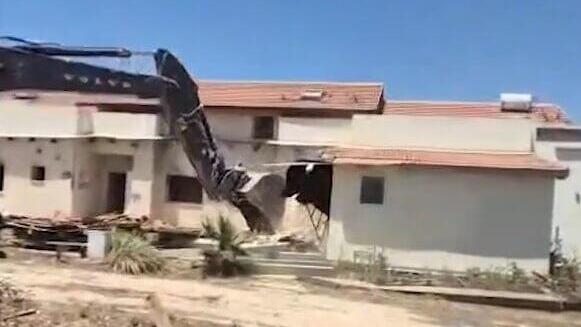
Bachar said his new home is being built in the Ashalim neighborhood of the kibbutz, and that he will move there in five months with his daughter, Hadar.
“The house is almost ready and we are returning to Be’eri. We are going home. To say it is safe? The answer is no. I always compare it to a farmer whose home is destroyed by a volcano every so often, but who always returns to the foot of the same mountain to rebuild his home. In the end, I am just a farmer who wants to build his home. We always look ahead — and Be’eri is my home,” he said.
A few days before the demolition, Bachar met with Safed Chief Rabbi Shmuel Eliyahu. Since October 7, Bachar has carried with him everywhere what he calls his “crying towel” — a towel he has kept with him regularly since the massacre. During the meeting, Bachar and Eliyahu spoke about personal and national coping since that terrible morning, about bereavement and pain, and about the attempt to keep choosing life even amid destruction as he continually wiped his eyes with his towel.
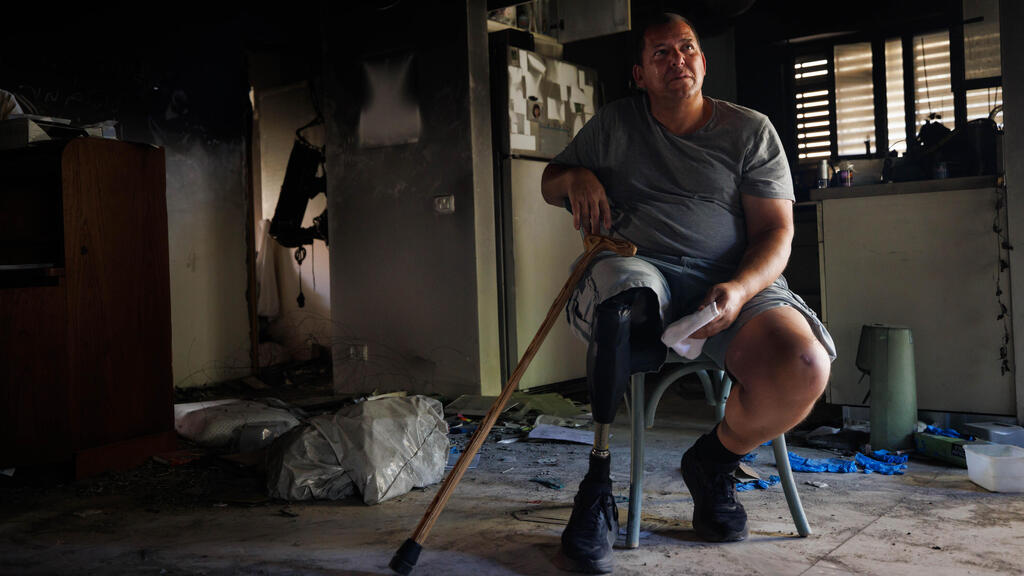
Avida Bachar, who managed the kibbutz’s agriculture branch, was seriously wounded and lost his leg
(Photo: Ziv Koren)
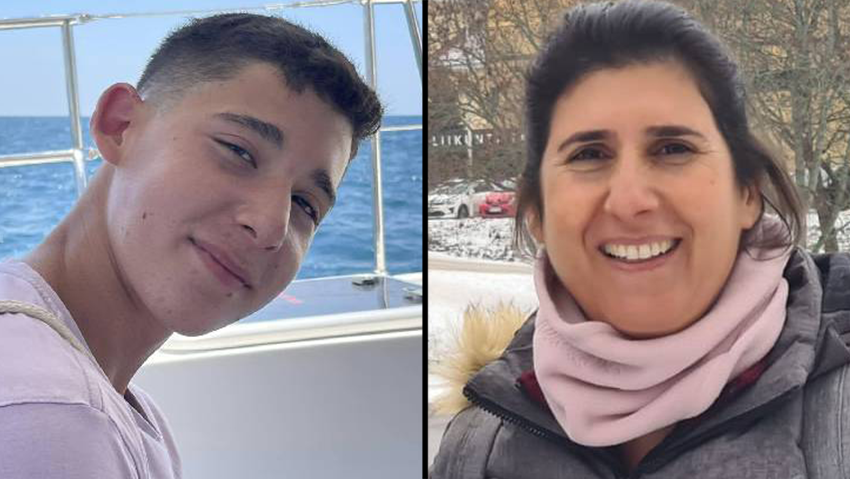
Carmel and Dana Bachar
(Photos: Courtesy of the family)
In December, Kibbutz Be’eri members voted on the future of the homes in the Kerem and Zeitim neighborhoods, which suffered enormous damage in the massacre. In that vote, decided by a margin of 50 votes, members chose to demolish all the homes in the two neighborhoods except one, which will be preserved for two years, with the aim of eventually moving it to a state preservation site. The move was led by the kibbutz secretariat. A total of 196 members voted in favor and 146 opposed.
As the vote results show, the community was divided over what should be demolished and what should remain from that horrific Saturday. Some families strongly opposed demolishing the homes where their loved ones were slaughtered. On the other hand, members who supported the demolition told ynet at the time: “We do not want to live in Auschwitz. We need to recover and move on.” A final decision has not yet been made on which home will be preserved, but it will be a building divided into two apartments — in other words, belonging to two families.
“This dilemma accompanied the people of Be’eri throughout the process and carried emotional, moral and planning significance,” the kibbutz said in a statement. “After many long months of discussions, consultations and deep community dialogue, the decision was made by majority vote to evacuate all the structures destroyed in the traumatic event, except for one building designated for preservation, which will serve as physical testimony to the horrific massacre the kibbutz endured.
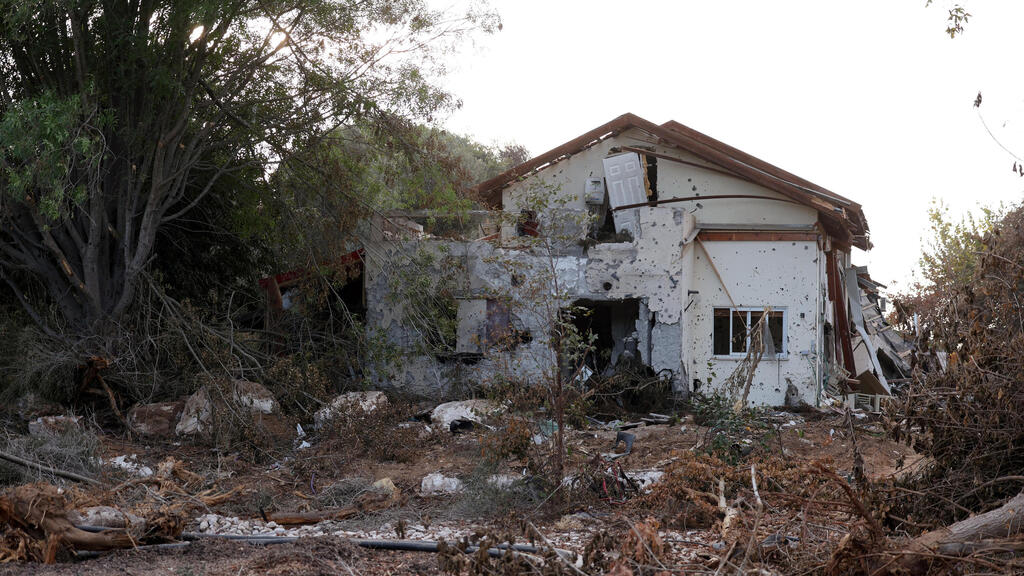
Homes damaged in Kibbutz Be'eri
(Photo: Ronen Zvulun/Reuters )
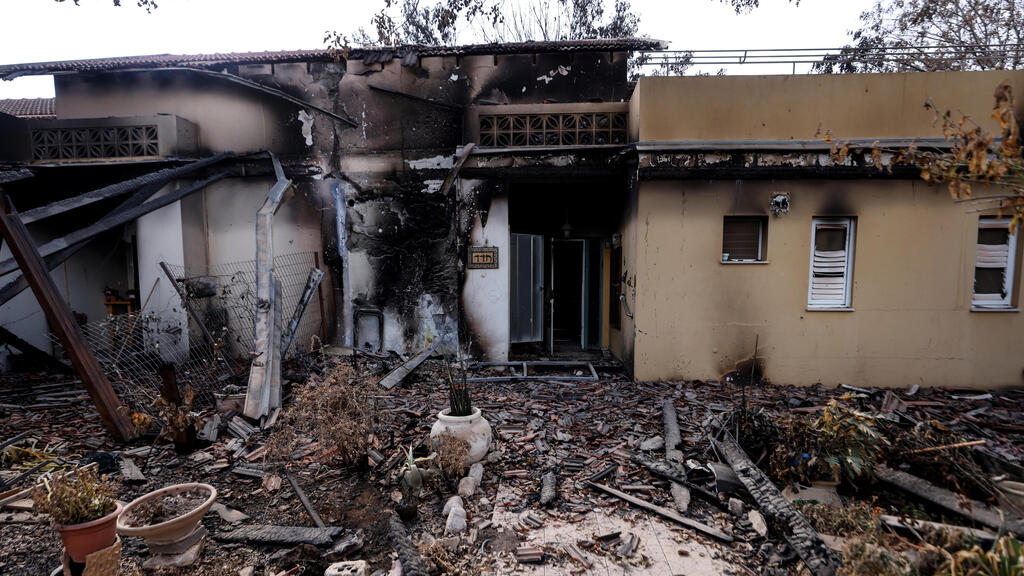
(Photo: Amir Cohen / Reuters)
“Since that terrible Saturday, the issue of commemoration has been present in many communities in the Gaza border area, bringing with it disputes and opposing views. The community dealt with the question of how to handle the remains of the homes, and whether to preserve and commemorate some of them or choose complete demolition. The dilemma is unbearable, residents say, because of the desire to commemorate — against the desire to continue recovering without feeling that they are ‘living inside a memorial,’” the kibbutz added.
The kibbutz also said after the vote that “alongside the commemoration process, the process of rehabilitation and renewal of the kibbutz continues. New neighborhoods are being built in the eastern part of the kibbutz to house members, who are currently living in Hatzerim.”
On the morning of October 7, when the first siren sounded in Kibbutz Be’eri, Avida Bachar entered the safe room with his wife, Dana, their 15-year-old son, Carmel, and their 13-year-old daughter, Hadar. It did not take long for the four to understand that this was a grave and exceptional event. Terrorists broke into their home and opened fire, killing his wife and son. Bachar was seriously wounded and lost his right leg.
In the massacre, 99 members and residents of Be’eri were murdered.