

The U.S. pilot whose F-15E Strike Eagle was shot down in Iranian airspace in early April and who was later rescued in a high-risk operation had survived another aircraft shootdown just a month earlier in a friendly fire incident over Kuwait, CBS News reported Wednesday.
Citing two sources familiar with both incidents, CBS reported that the pilot was flying one of three F-15 fighter jets mistakenly shot down by Kuwait’s air force on March 2, during the opening days of the war. The incident occurred amid one of Iran’s large-scale attacks on the Gulf state, which hosts U.S. military forces.
Gallery
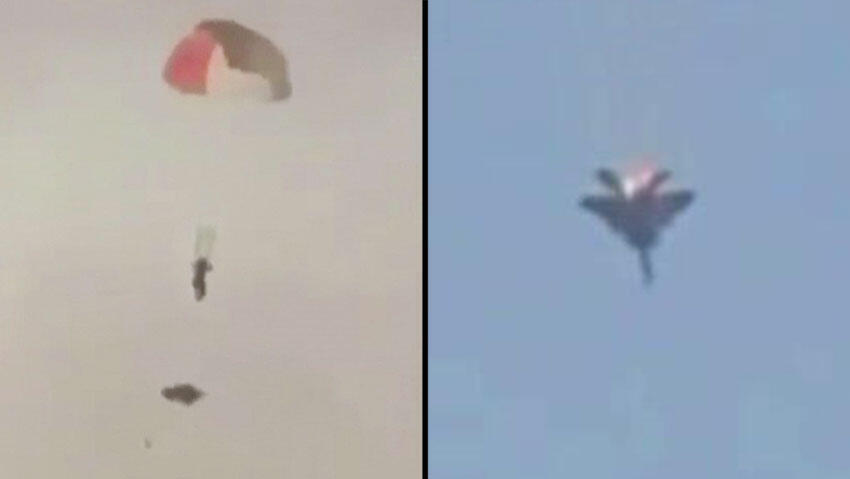
US pilot ejects over Kuwait after his fighter was shot down in Kuwaiti airspace
(Photo: AFP PHOTO / UGC UNKNOW)
All six crew members aboard the three aircraft successfully ejected and landed safely, according to the report.
The same pilot was later flying the F-15 that Iran shot down on April 3. According to previous reports, the aircraft may have been brought down by a Chinese-made shoulder-fired missile. The incident triggered an urgent rescue mission aimed at extracting the pilot and weapons systems officer from Iranian territory before they could be captured.
The pilot was seriously injured in the shootdown but was rescued within hours. Reports said the rescue helicopter came under fire during the operation. The weapons systems officer, meanwhile, evaded capture by hiding in mountainous terrain and was rescued nearly two days later in a separate operation that involved the establishment of a temporary forward operating base.
President Donald Trump later described the mission as “one of the most daring search and rescue operations in U.S. history.”
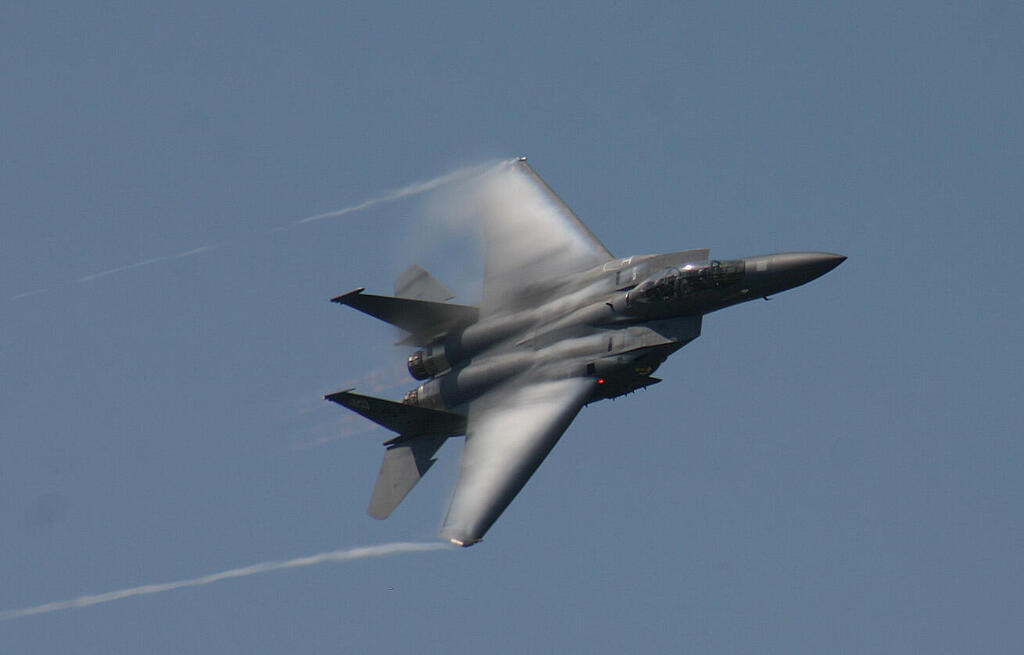
Archival: F-15E Strike Eagle
Gen. Dan Caine, chairman of the Joint Chiefs of Staff, praised the airmen after their rescue. “The courage demonstrated by both the pilot and the weapons system officer while isolated and them evading the enemy cannot be overstated,” Caine said. “Their grit and warfighting tenacity is a direct result of the absolute trust they have in our rescue forces, their training and their will to survive and return.”
Retired Lt. Gen. David Deptula, who helped plan the U.S.-led air campaign during the 1991 Gulf War, told CBS that surviving two aircraft shootdowns in the same conflict is extraordinarily rare.
“It is a highly unusual coincidence. It's like getting hit by lightning twice,” Deptula said, adding that it is likely the first known case of its kind since the Vietnam War.