

U.S. President Donald Trump announced Sunday that a memorandum of understanding had been reached with Iran to end the war, lift the naval blockade and reopen the Strait of Hormuz. According to Trump, the agreement will be signed Friday, after which the strait, which before the war carried about 20% of global oil shipments, will reopen.
But alongside the celebratory tone of Trump’s announcement, many questions remain about the details of the agreement and how it will be implemented. Chief among them is how long it will take to clear the backlog of ships stuck near the strait. Analysts say it could take several weeks before the roughly 600 vessels estimated to be waiting in the area are able to cross the strait and restore regular energy supplies. Questions also remain over Iran’s nuclear program, which Trump had described as one of the main reasons for launching the war. These are the key issues known so far.
Gallery
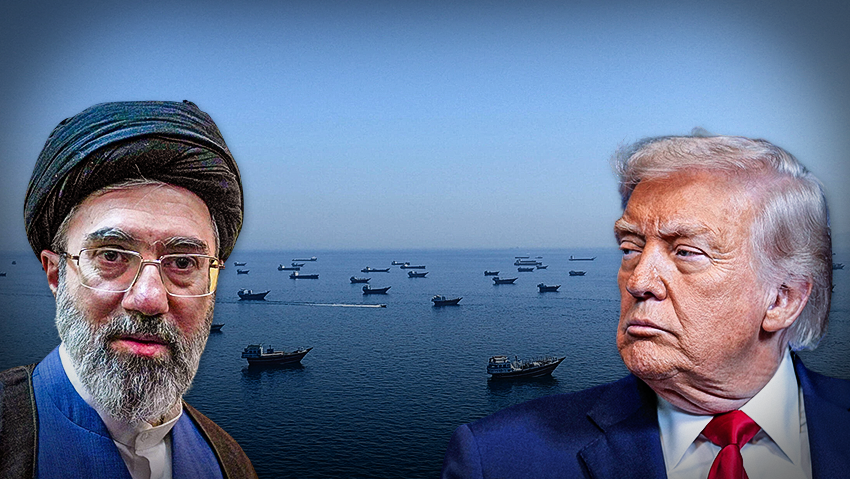
(Photo: Hamed Jafarnejad/ISNA/WANA (West Asia News Agency) via REUTERS, AP/Alex Brandon, REUTERS/Stringer)
How quickly will the Strait of Hormuz reopen, and under what terms?
The Strait of Hormuz has been closed since late February, when the Israeli-American attack on Iran began, sending global energy prices higher and raising fears of shortages of liquefied natural gas and related products.
According to Trump’s announcement, the strait will reopen Friday after the agreement is signed “for mine neutralization purposes, and oil will resume flowing in both directions for the benefit of the region and the world.”
However, Iran’s Mehr news agency reported that under the memorandum of understanding, the reopening will take place within 30 days of the signing and under “Iranian requirements.”
According to Trump, Iran has committed not to collect fees from ships passing through Hormuz during the 60 days of the ceasefire extension. In return, he said the United States would lift the naval blockade it imposed on Iran in April.
When will energy shipments return to normal?
Oil prices fell Monday morning on hopes that reopening the Strait of Hormuz would restore oil shipments. But analysts warned that recovery will be slow and vulnerable to renewed disruption.
According to shipping industry estimates, nearly 600 ships are still waiting to pass through Hormuz. Before the war, about 130 ships crossed the strait each day, and a typical commercial crossing in the area took about eight hours. That means any effort to ease the congestion will necessarily be gradual, especially if ships are required to sail under restrictive conditions.
Shipping companies have already issued instructions for a possible reopening of the strait, warning that “simultaneous and uncoordinated sailing” could create bottlenecks and require “dangerous maneuvers.”
Experts also noted that not all companies are likely to rush back to Hormuz, similar to what happened after the reopening of the Red Sea passage following Houthi attacks.
Helima Croft of RBC Capital Markets said that even a return to reduced traffic levels would take time “given the lengthy logistics that will accompany the reopening.”
Barrels of oil
(Photo: PNGTree)
Will Iran give up its nuclear program?
That demand does not appear to have been fully addressed in the agreement. According to a person familiar with the matter, Iran has committed not to develop nuclear weapons, and the two sides will hold talks on the mechanism that will regulate the removal of its enriched uranium stockpile, which includes about 9,000 kilograms, including roughly 450 kilograms enriched to a high level.
The person said the minimum commitment is that the enriched uranium would be destroyed on site under the supervision of the International Atomic Energy Agency.
Trump has threatened that if no nuclear agreement is reached with Iran, he will strike again. He is also under political pressure to secure a better nuclear deal than the one signed in 2015 under the Obama administration, from which he withdrew during his first term.
Does the agreement benefit Iran economically?
Under the known terms, the United States will grant Iran a temporary sanctions waiver allowing it to sell oil during the 60-day ceasefire extension. More significant sanctions relief, including the unfreezing of Iranian assets, will be carried out gradually and based on progress in the nuclear talks.
“We built the agreement in such a way that Iran will receive economic relief in accordance with its performance,” a senior U.S. administration official told the Financial Times.
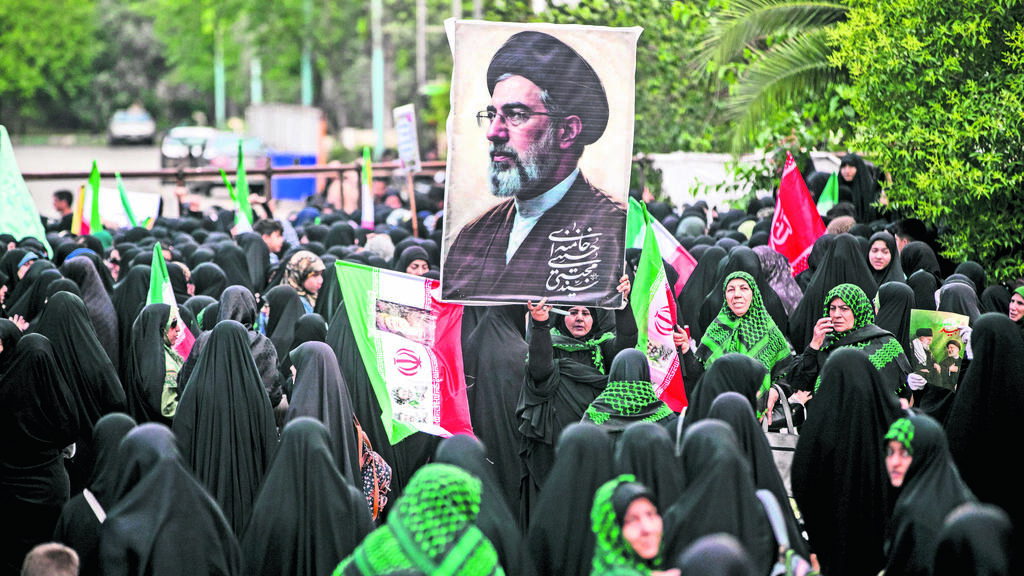
Regime supporters in Iran
(Photo: Majid Saeedi/Getty Images)
How has the world reacted?
Leaders around the world welcomed the agreement reached between the United States and Iran, while European governments also expressed readiness to remove sanctions in exchange for Iranian steps.
In a joint statement, the leaders of Britain, France, Germany and Italy described the agreement as “an opportunity to restore regional stability and stabilize the global economy,” adding that they were prepared to remove relevant sanctions in exchange for “clear and verified steps by Iran regarding its nuclear program.”
Japan’s Prime Minister Sanae Takaichi also welcomed the agreement and called for implementation of the terms to allow “safe and free passage through the Strait of Hormuz.”
Statements of support were also issued by Australia’s prime minister and Qatar’s Foreign Ministry.