

“When we were down there, in the tunnel where the six hostages were murdered,” an Israeli army officer recalled, “we descended 20 meters below ground and could still clearly hear the tanks rumbling above us. And then, for the first time, you feel in your body the impossible clash of this war: between rescuing the hostages and dismantling Hamas.”
It has been a year since Hamas terrorists murdered Hersh Goldberg-Polin, Carmel Gat, Eden Yerushalmi, Alex Lobanov, Almog Sarusi and Ori Danino in a tunnel in Rafah. Their deaths continue to define Israel’s war, fueling bitter arguments over priorities: securing the release of captives or pressing ahead militarily to crush Hamas.
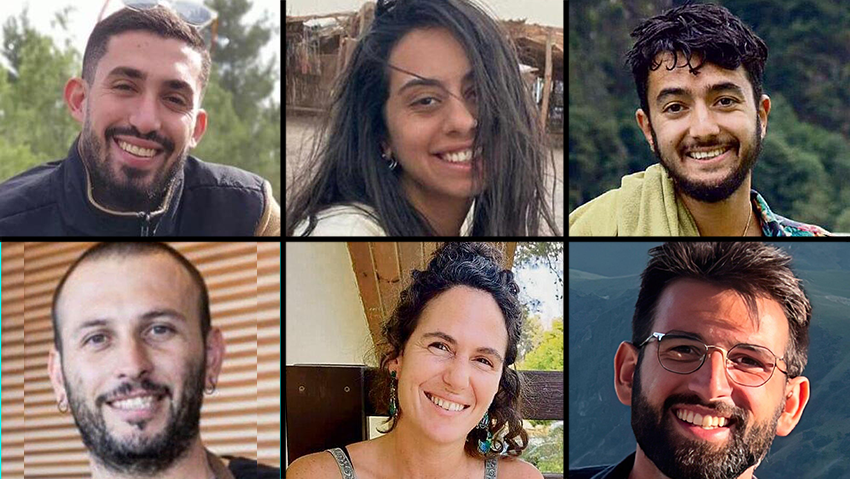
A clash at the Cabinet
On Aug. 27, 2024, an Israeli delegation was in Qatar for working-level negotiations on a possible hostage deal. That same day, hostage Qaid Farhan was found alone in a tunnel in Rafah’s Tel Sultan neighborhood.
Two days later, overnight between Thursday and Friday, the Israeli Cabinet voted to keep troops deployed along the Philadelphi Corridor, a strip on Gaza’s border with Egypt that had become one of the central sticking points in negotiations. That night, the Israeli delegation returned from Qatar amid a major crisis in the talks.
Former Defense Minister Yoav Gallant later told ministers: “Since the start of the war, no weapons have crossed under the Philadelphi Corridor, and all tunnels crossing into Egypt are sealed on the Egyptian side. In 42 days of a deal, no tunnels are dug, no weapons smuggled—but 33 hostages return alive.”
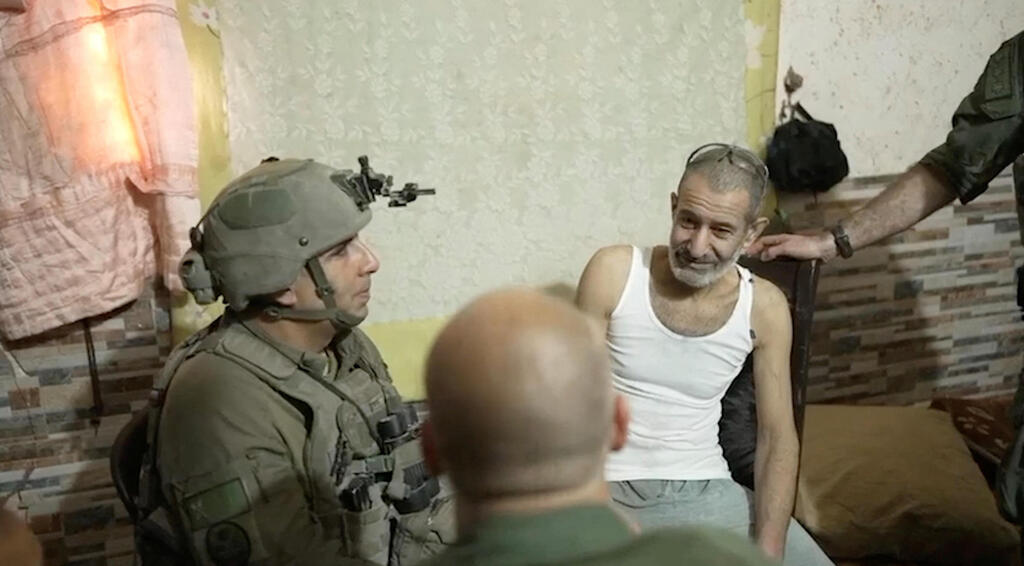
Qaid Farhan Al-Qadi after his rescue
(Photo: Israel Defense Forces/Handout via REUTERS)
The following day, Aug. 31, Israeli forces discovered the bodies of six murdered hostages in a tunnel near where Qadi had been rescued. Rumors swept social media before families were officially informed. The next day, the public learned the devastating news, sparking nationwide protests and calls for a strike to demand the hostages’ return.
Netanyahu, under harsh criticism, convened a press conference later dubbed the “Philadelphi Speech.” He explained the importance of holding the corridor while openly criticizing Gallant, who had argued that security did not justify staying there at the cost of a deal. Four days later, Netanyahu’s office leaked a classified document—altered despite military censorship—to Germany’s Bild newspaper, seeking to sway public opinion.
Lessons of Rafah
Military officials say Rafah left not only political scars but also operational lessons. At the time, the Israel Defense Forces believed that advancing slowly would allow both civilians and Hamas fighters to move into the designated humanitarian zone in al-Mawasi, bringing hostages with them. That assumption proved wrong.
Tel Sultan, where the six were later found, was Hamas’ last redoubt in Rafah. Commandos reached it only after three months of fighting. By then, Hamas had not moved the hostages to al-Mawasi but had shifted them around inside the neighborhood.
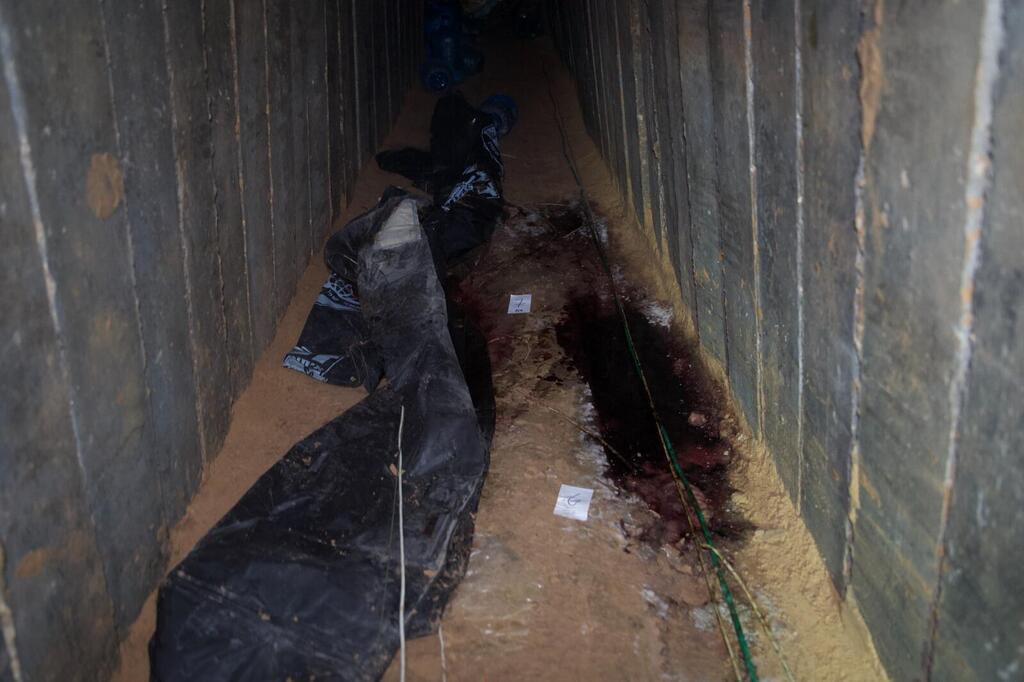
(Photo: IDF Spokesperson's Unit)
“The decision not to move with the hostages to Mawasi was Sinwar’s greatest mistake,” one senior officer said, referring to Hamas leader Yahya Sinwar. Sinwar was killed six weeks later, near the same tunnel. “That’s why he was killed,” the officer said.
The IDF operated with extreme caution. Qadi himself was found unharmed, but there was no advance intelligence on the six hostages’ exact location. Hamas had shifted them repeatedly, making accurate intelligence nearly impossible.
Today, officers compare Rafah with the planned assault on Gaza City. “Our assumption back then was wrong,” they said. “You can’t manage these risks without hostages being harmed. Rafah proved it.”
Zamir’s warnings
Chief of Staff Lt. Gen. Eyal Zamir, who took office after the Rafah murders, has repeatedly warned of the danger to hostages during urban maneuvers.
In his first weeks, several senior officers warned that hostages would inevitably be endangered. Retired Brig. Gen. Erez Wiener, then advising politicians and later found to have mishandled classified documents, rejected their warnings. His stance reflected a rift between the military and political leadership that still defines the debate.
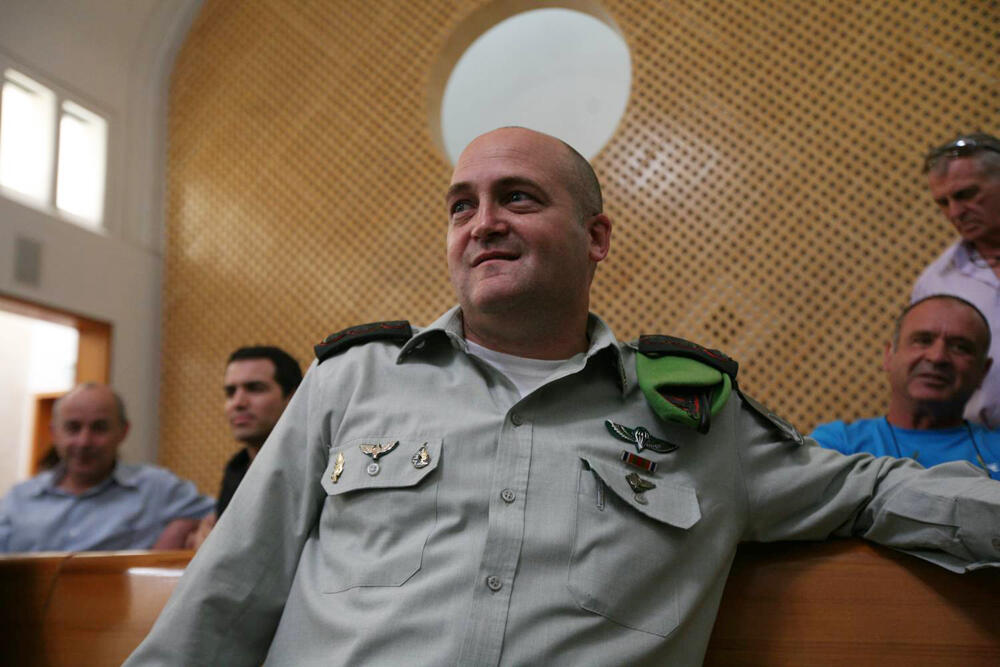
(Photo: Gil Yochanan)
A member of the negotiating team said the Rafah killings hit negotiators hard: “We knew that except for one, all six were on the release lists for the first stage. They could have been freed. After that, our understanding sharpened: we had to push for a deal.”
Negotiations and the “fourth map”
Negotiations had gained momentum earlier in the summer. U.S. President Joe Biden unveiled what became known as the “Netanyahu framework” in May 2024. On July 2, Hamas for the first time agreed to advance without an Israeli commitment to end the war.
Gallant and the negotiating team wanted to seize the opening. Netanyahu delayed nearly three weeks before submitting additional “clarifications” on security in the Philadelphi Corridor and the Netzarim axis, not included in the original plan. These were widely seen as hardening Israel’s stance.
At the critical Cabinet session before the Rafah murders, Gallant urged prioritizing the hostages over broader fronts like Lebanon. Netanyahu abruptly called for a vote to remain in Philadelphi, though it was not on the agenda.
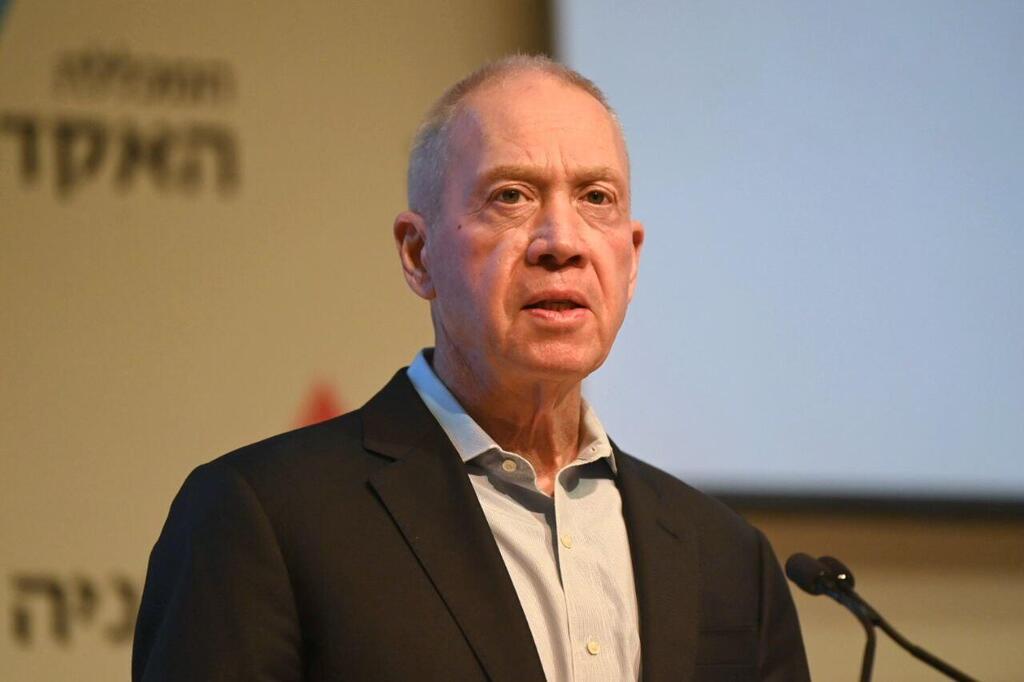
Former defense minister Yoav Gallant
(Photo: Yair Sagi)
Gallant warned such a move would doom a deal. Netanyahu countered with three military maps supporting his case. Gallant accused him of hiding a fourth map that said Israel could ensure security without holding the entire corridor. Ministers sided with Netanyahu.
The delegation returned from Qatar on Aug. 30 after talks collapsed. The following day, intelligence pointed to hostages murdered in Rafah. Soldiers soon confirmed bodies of women in the tunnel, strengthening suspicions.
The tunnel video
One of the most haunting moments came when then-IDF spokesperson Brig. Gen. Daniel Hagari released video footage from inside the tunnel at the request of Eden Yerushalmi’s sister, who wanted to see where her loved one was killed.
The footage showed bloodstains, personal belongings and the harsh conditions in which the hostages had been held. It was shown to families, then to the Cabinet. Witnesses recalled Netanyahu sitting in silence after the screening. “The prime minister didn’t say a word,” one participant said.
(Video: IDF Spokesperson's Unit)


That silence soon gave way to controversy. Some of Netanyahu’s supporters accused Hagari of weakening morale by releasing the video.
The aftermath is well known. Gallant remained in the minority with security chiefs. In September, Israel shifted the war northward without a hostage deal. Talks stalled until Donald Trump’s election as U.S. president.
To this day, Gallant, negotiators and security officials argue that the deal eventually reached in January 2025 was nearly identical to what could have been secured months earlier, except with fewer long-term prisoners released. Netanyahu counters that had Israel agreed then, Sinwar would have survived and military gains in Lebanon would never have materialized.
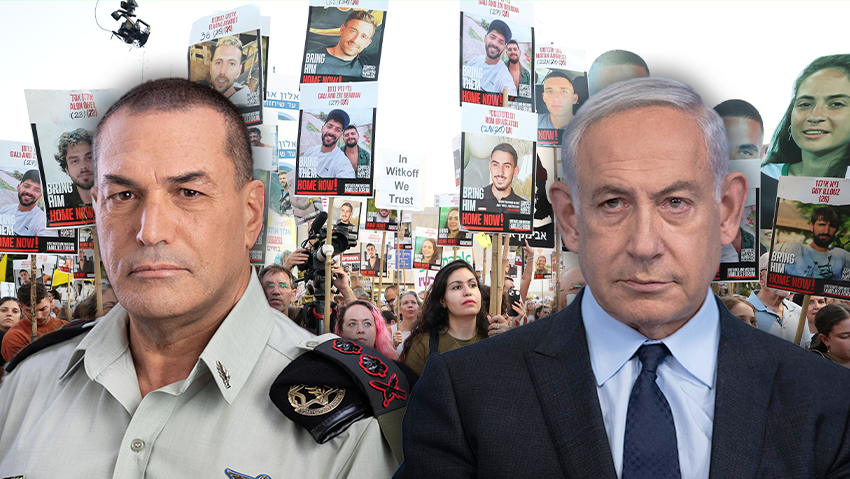
(Photo: IDF Spokesperson's Unit, Alex Kolomoisky, Dana Kopel)
Now, 48 hostages remain in captivity. One year later, the debate remains unchanged. Netanyahu insists on an all-encompassing deal on his terms, while the defense establishment urges him to accept a phased plan that would return 10 hostages alive and 18 bodies within 60 days, with talks continuing for the rest.
The arguments are the same, the sides unchanged. A year has passed, but nothing has moved—except that the defense minister now stands with Netanyahu and his government.