


More than 1.2 billion shekels (over $394 million) have been donated to the IDF by the Israeli public and Jews in the Diaspora since the October 7 attack and the outbreak of the Swords of Iron war, according to figures provided to ynet by the Association for Israel's Soldiers. The funds were used, among other things, to purchase equipment, invest in infrastructure and equip military bases, assist service members and support soldiers and their families.
The Association for Israel's Soldiers is the nonprofit authorized to transfer donations to the IDF, and the Swords of Iron war is the first conflict in which it has operated in its current form, following the 2016 merger between the association and the Libi Fund. At this stage, ynet has not received comparable figures on the scope of donations in the years before the war, including 2021 and 2022, making it impossible to determine how much donations increased compared with routine years.
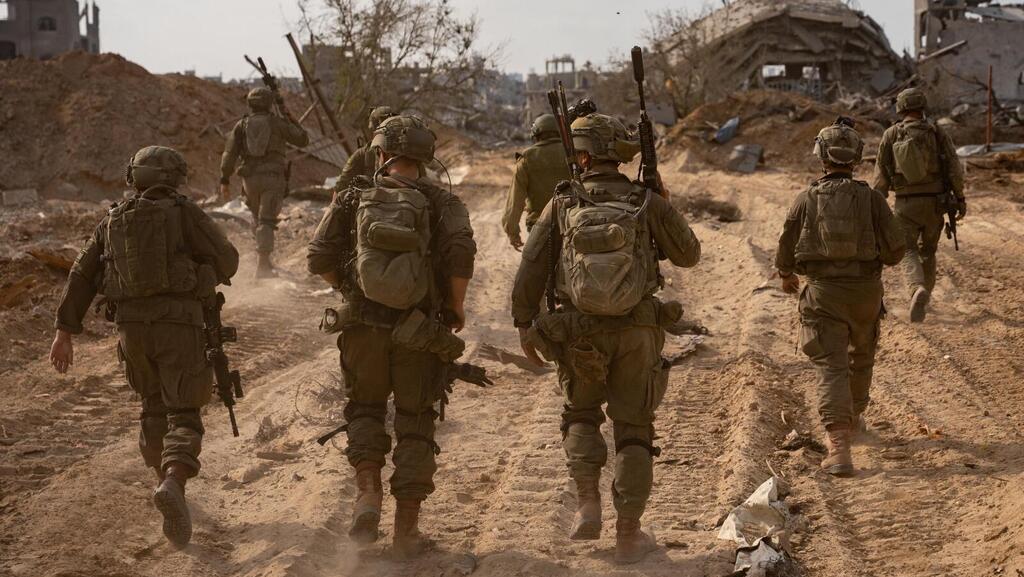
According to the breakdown, 134 million shekels (about $44 million) were donated for aid and equipment purchases at the start of the war, while 64 million shekels (about $21 million) were used to buy assistance vouchers for service members. Another 227 million shekels (abut $75 million) was allocated to infrastructure investment at bases and outposts, and more than 197 million shekels (about $65 million) was invested in equipping IDF camps.
The figures also show that 104 million shekels (about $34 million) was used to purchase 160 ambulances, tens of thousands of winter kits, hygiene products and underwear for male and female combat troops on the front lines. In addition, companies donated 645 “refreshment units” for service members.
The donations also were used for purposes beyond equipment and infrastructure. More than 4,000 lone soldiers were flown abroad to visit family members, and assistance was funded for more than 14,000 bereaved family members who took part in vacation programs. Donation funds also helped finance a dedicated resilience center for treating post-traumatic stress.
The enormous scope of the donations takes on added significance against the backdrop of shortages that soldiers warned about from the earliest days of the war. Just two days after the October 7 attack, on Oct. 9, 2023, ynet reported that social media had filled with appeals from families of reservists seeking donations of basic combat equipment, including ceramic body armor, helmets, knee pads and other gear. Requests were also made for dry food, warm clothing, headlamps and hygiene products.
Since then, additional testimonies have accumulated from combat troops and reservists who said they were forced to make up equipment shortages through donations and, in some cases, from their own pockets.
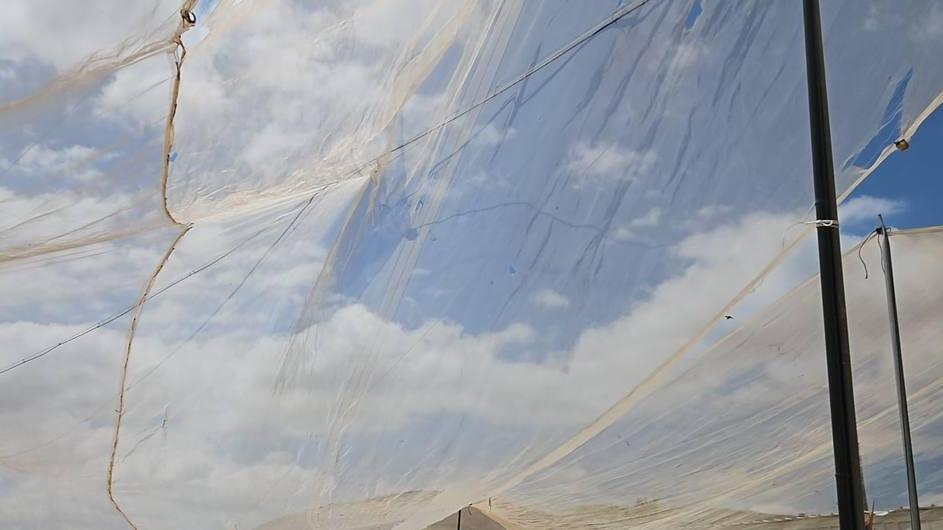
A net donated to protect soldiers against explosive drones
Only Tuesday, C., a reservist in the David Division who reported for training ahead of operational deployment, said he and his comrades were still raising donations for equipment. “We organized the uniforms, the shoes, the helmets ourselves. Everything came from donations that we collect, and we are continuing to raise money so we can have functioning sights for our weapons or replace old, low-quality operational equipment. We are not militias,” he said.
Efforts to cope with the threat posed by explosive drones also exposed cases in which reservists were forced to improvise solutions themselves and rely on donations. In the northern sector, troops raised money to purchase nets designed to provide protection against explosive drones, while in other cases they approached local authorities and farmers to obtain netting from soccer goals and banana plantations.
“It all comes from donations by private individuals,” said Maj. T., a reservist who recently completed a three-month deployment in the northern sector.
The donations in the shadow of a battle over tens of billions
The figures are also being published amid a worsening dispute between the Finance Ministry and the Defense Ministry over the defense budget. A meeting Monday between Prime Minister Benjamin Netanyahu and opposition leader Yair Lapid ended without agreement, while Finance Ministry officials argue that there is currently no need to transfer additional funds and that 15 billion shekels already approved by the government remains stuck in the Knesset Finance Committee.
The defense establishment, by contrast, is warning that delays could undermine its ability to advance essential procurement deals and acquisitions.
The defense budget currently stands at 143 billion shekels. An increase to 158 billion shekels has already been approved by the government but has yet to complete the legislative process in the Knesset. The defense establishment is now demanding that the budget be raised to 183 billion shekels.
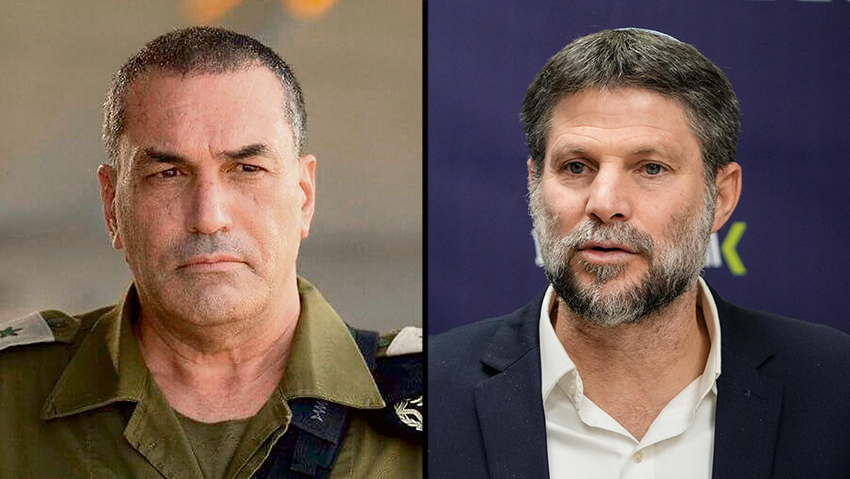
Finance Minister Bezalel Smotrich, right, and IDF Chief of Staff Eyal Zamir. The fight over the budget intensifies
(Photo: Shalev Shalom, IDF spokesperson's unit)
Finance Ministry officials say “the defense establishment has all the funds needed for urgent activity” and accuse the Defense Ministry of poor management and a lack of transparency. The defense establishment presents a different picture and warns of the consequences of delaying the funds.
Against this dispute, the donation figures illustrate the scale of the mobilization by the public in Israel and the Diaspora on behalf of service members, while also underscoring the fact that over nearly three years of fighting, units and soldiers in the field have in various cases continued to rely on donations to make up shortages in equipment, infrastructure and service conditions.
Meanwhile, an appreciation event for donors to the Association for Israel's Soldiers was held Tuesday evening, headed by IDF Chief of Staff Lt. Gen. Eyal Zamir and attended by senior IDF officers, the association’s leadership, leading figures from Israel’s business sector and major donors from Israel and abroad.
“The donations and the deep partnership between the donors and the IDF enabled the Association for the Wellbeing of Israel’s Soldiers to continue and expand its activities throughout the war, alongside its ongoing work throughout the year for the welfare of IDF soldiers,” said Col. (res.) Shari Nehemias, CEO of the association’s fund.