


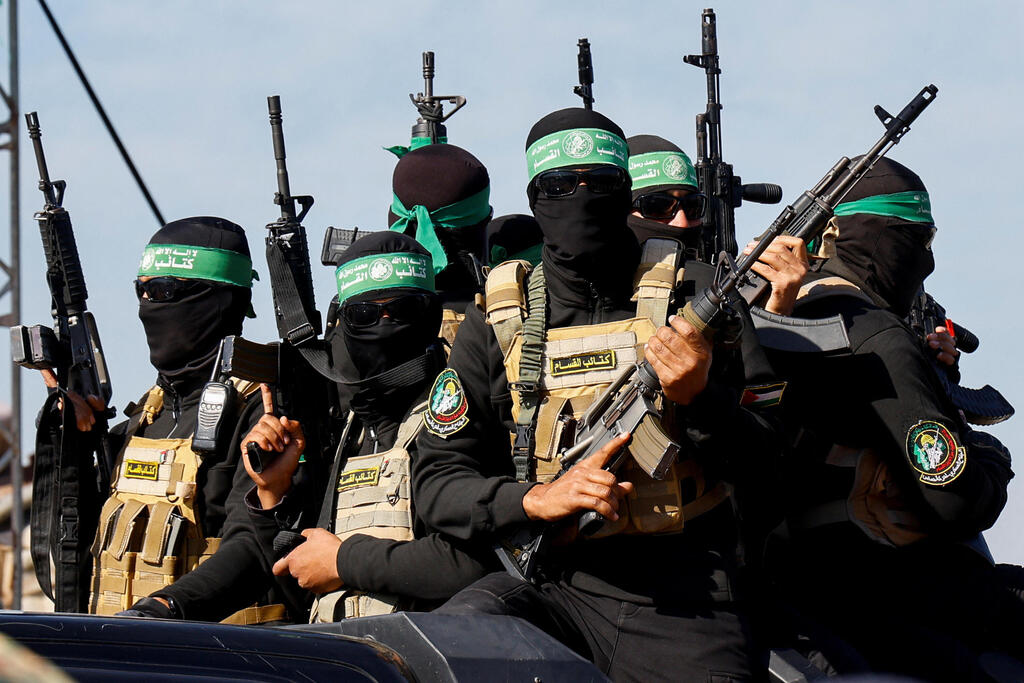
Israel is concerned that Hamas will stage a symbolic disarmament, surrendering a handful of obsolete weapons under pressure from international mediators in a bid to generate favorable headlines and push forward the next phase of the ceasefire deal while retaining most of its arsenal, officials told ynet on Saturday.
According to U.S. President Donald Trump’s proposed peace framework, Phase Two of the agreement would require Israel to withdraw from the so-called “yellow line” in Gaza, with the vacated area to be handed over to an international force.
In the meantime, Trump’s envoy, Steve Witkoff, met in Miami with representatives from mediators Qatar, Egypt and Turkey to discuss advancing to the next stage of the deal. Turkish Foreign Minister Hakan Fidan also took part in the talks, which come as Israel seeks to construct a strategic “security wall” to contain Turkish influence in the region.
Following the meeting, the mediating countries issued a joint statement expressing support for the establishment and near-term activation of the Board of Peace to serve as a transitional governing body in Gaza.
The statement said representatives had convened to review implementation of the first stage of the deal and to prepare for the second. “The first stage led to progress, including the expansion of humanitarian aid, the return of the remains of hostages, a partial troop withdrawal and a reduction in hostilities,” it read.
It added that in talks regarding Phase Two, the sides “emphasized the potential to establish a governing body in Gaza operating under a unified Gazan authority, with the aim of protecting civilians and maintaining public order.”
Former British prime minister Tony Blair had been considered a leading candidate to head Trump’s envisioned Board of Peace, but reports earlier this month indicated that he would not assume the post due to opposition from Arab states.
Senior Israeli officials say the government will accept nothing less than a full and verifiable disarmament of Hamas, rejecting any theatrical gestures as insufficient to meet the Cabinet’s decision that the terror group must no longer pose a threat to Israel. Officials are also troubled by U.S. pressure to move forward with the next phase of the deal before the return of the body of Ran Gvili, which is still held in Hamas captivity.
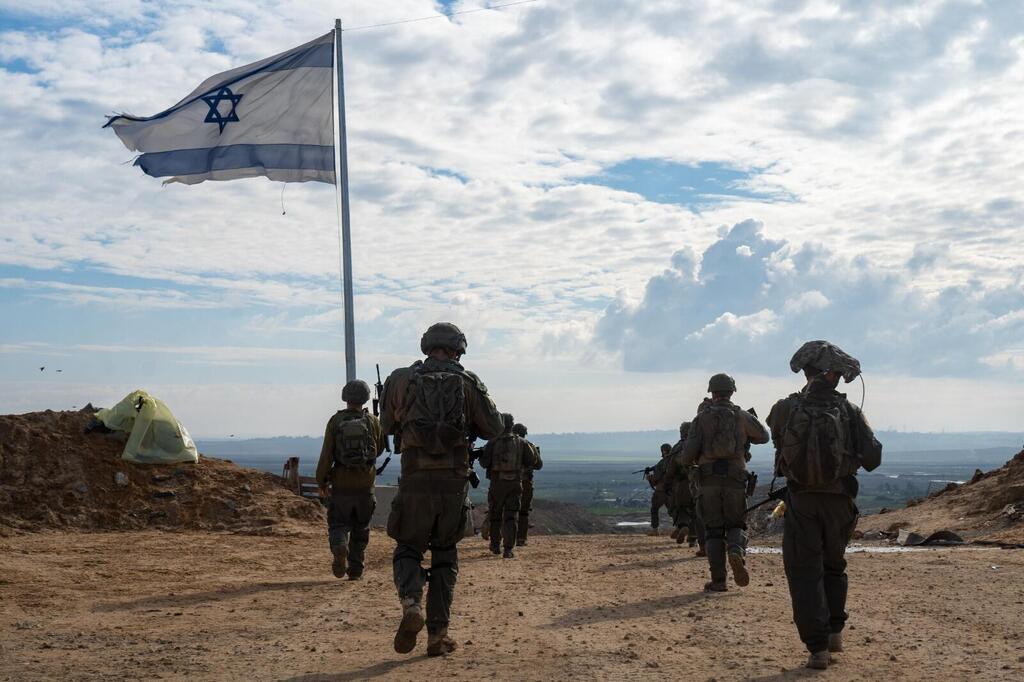
IDF forces operating in Israeli-held areas of Gaza
(Photo: IDF)
Prime Minister Benjamin Netanyahu has invited Gvili’s family to join him on his upcoming flight, with the hope they will meet Trump. The president has repeatedly and mistakenly claimed that all hostages have been returned, despite being corrected by Ronen Neutra, the father of fallen Israeli-American IDF officer Omer Neutra, who told him the process remains incomplete.
U.S. officials believe that with enough pressure from Qatar and Turkey, Hamas may yet hand over Gvili’s remains, an act Washington sees as a potential first step toward disarmament in Gaza.
Israeli sources say that until recently, it was believed that two to four deceased hostages remained unaccounted for in Gaza, with the locations of their graves unknown due to the deaths of their captors.
“In the end, we are left with one fallen hostage,” one official said. “We have 20 living hostages back home, and nearly all the bodies have been returned. Israel controls more than half of Gaza, and Hamas has committed in writing to disarm. That is nothing short of a miracle.”
Despite deep skepticism over the mediators’ approach, Israeli officials say they are giving the process room to work. “Every time we think the mediators are delusional, we stop and give them credit,” one source said. “They truly believe they can recover Gvili’s remains and begin disarmament. We have to give them a chance, and we are.”
Turkey’s Foreign Ministry said its meeting with Witkoff and other mediators focused on implementing the first phase of the Gaza peace plan and included an exchange of views on advancing to the second phase.
“Despite violations, the ceasefire remains in effect, the hostage release has been completed and fighting has largely subsided,” the ministry said—without mentioning that Gvili's remains have not been returned. Regarding the next stage, Turkish officials said discussions addressed arrangements to ensure that Gaza would be governed by its residents, along with steps related to the proposed Board of Peace and international stabilization force outlined in the plan.
Turkey continues to push for a role in that force, including the deployment of Turkish troops, but Israel has issued a blanket veto.
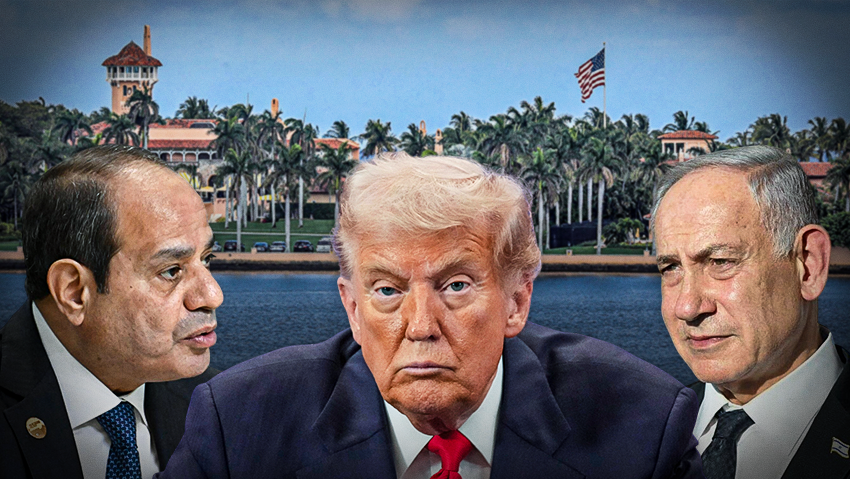
Egyptian President Abdel Fattah el-Sisi, US President Donald Trump, Prime Minister Benjamin Netanyahu
(Photo: AP/Mark Schiefelbein, AP/Alexander Nemenov, AFP, GPO)
Following the approval of a $35 billion gas deal between Israel and Egypt, some observers suggested it could pave the way for a trilateral summit at Donald Trump’s Florida estate, bringing together the U.S. president, Prime Minister Netanyahu and Egyptian President Abdel Fattah el-Sissi. However, such a summit remains uncertain. Egyptian sensitivities and domestic challenges appear to make it difficult for el-Sissi to be seen alongside Netanyahu at this time. American officials are still pressing for the meeting, but acknowledge the obstacles.
Israeli sources say the upcoming meeting between Netanyahu and Trump “will be excellent,” and that the two are expected to discuss Gaza and the Trump peace plan, the situation in Syria and Lebanon and potential normalization with Saudi Arabia. Netanyahu is also expected to raise Israeli concerns over Iran’s accelerated production of ballistic missiles and present possible options for renewed military action.