


At this point, it does not appear that the protests in Iran will bring down the regime. First, the clerical leadership has at least two layers of internal security: the Islamic Revolutionary Guard Corps (IRGC) and, even more critically, the Basij militias, which operate under the IRGC and are the regime’s main instrument of repression. As seen in videos from the streets, Basij units suppress demonstrations efficiently from motorcycles, ATVs and armored vehicles.
A fire rages in a factory in Iran set by protesters


Another key force protecting the regime is the Iranian Army. In practice, Iran has two armies — the IRGC and the regular army. The regular army is typically responsible for defending Iran’s borders externally, while internal suppression is handled by the IRGC and the Basij. In 1979, Iran’s army refused to fire on protesters, contributing to the clerical takeover. Today, there are no signs that either the IRGC or the Basij will behave similarly; their motivation to defend the regime remains strong.
At present, the protesters have little chance against these forces. They are too few and pose no real threat to state institutions. This is reflected in the relatively low death toll — in the dozens, not the hundreds as seen in protests of 2009, 2019 or 2022.
A second reason for the regime’s stability is that the protesters lack unified leadership, strategy or clear demands. Some seek improved economic conditions — more reliable electricity and water, jobs and relief from the collapsing rial, now worth far less than ever. Others call for overthrowing the regime. Bazaar traders, students and others protest for different reasons, and Tehran has shown relative restraint toward purely economic demonstrations, indicating a willingness to address them.
A third reason the regime is likely to survive is that external military intervention is unlikely — from the United States, despite President Trump’s threats, or from Israel. Israeli and U.S. security assessments agree that an attack on Iran now would unify the Iranian people behind the regime, as happened historically, such as during the Iran‑Iraq War.
In Trump’s case, even if he is emboldened by his success in Venezuela, military action in the Middle East remains complicated. Iranian retaliation could target American troops in the region — in Iraq, at Al‑Asad Airbase, in Kurdish areas, or even at the major U.S. base in Qatar, Al‑Udeid. Tehran has already demonstrated its missile and launcher capabilities. Retaliation could also hit Saudi and other targets, underscoring the high cost of any strike.

Fire burns at anti-regime protest in Anza city
Indeed, an attack on Iran would require extensive preparation by both Israel and the U.S. to defend against retaliation — a logistical undertaking that makes such action unlikely in the near term.
Another factor restraining both Washington and Tehran is that Iran’s current internal strategy — what analysts call a “flexible containment” approach — avoids mass killing of protesters. Basij and IRGC forces generally back off where protests pose no direct threat to regime structures, using only selective live fire and mostly relying on tools like tear gas or stun grenades.
By this logic, there is no clear legal or moral justification for Trump to intervene militarily right now.
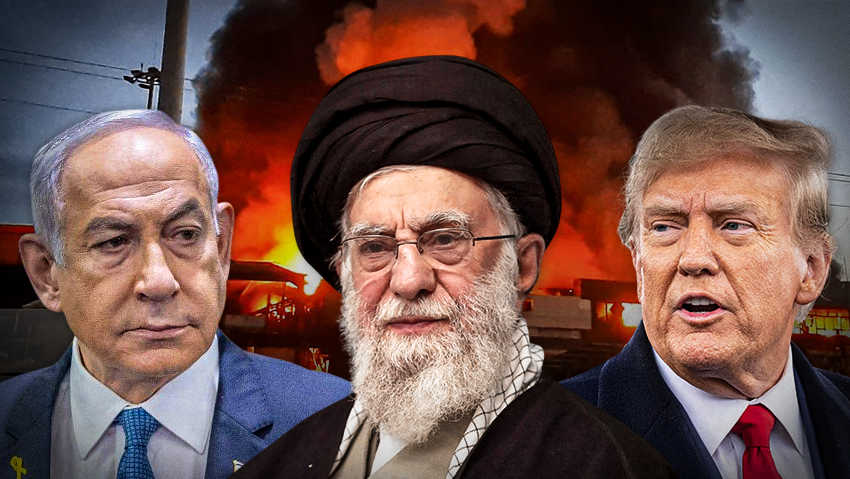
Trump, with Netanyahu at Mar a-Lago: 'I heard Iran is trying to recover, if that's true - we'll take them down'
(Video: Reuters)
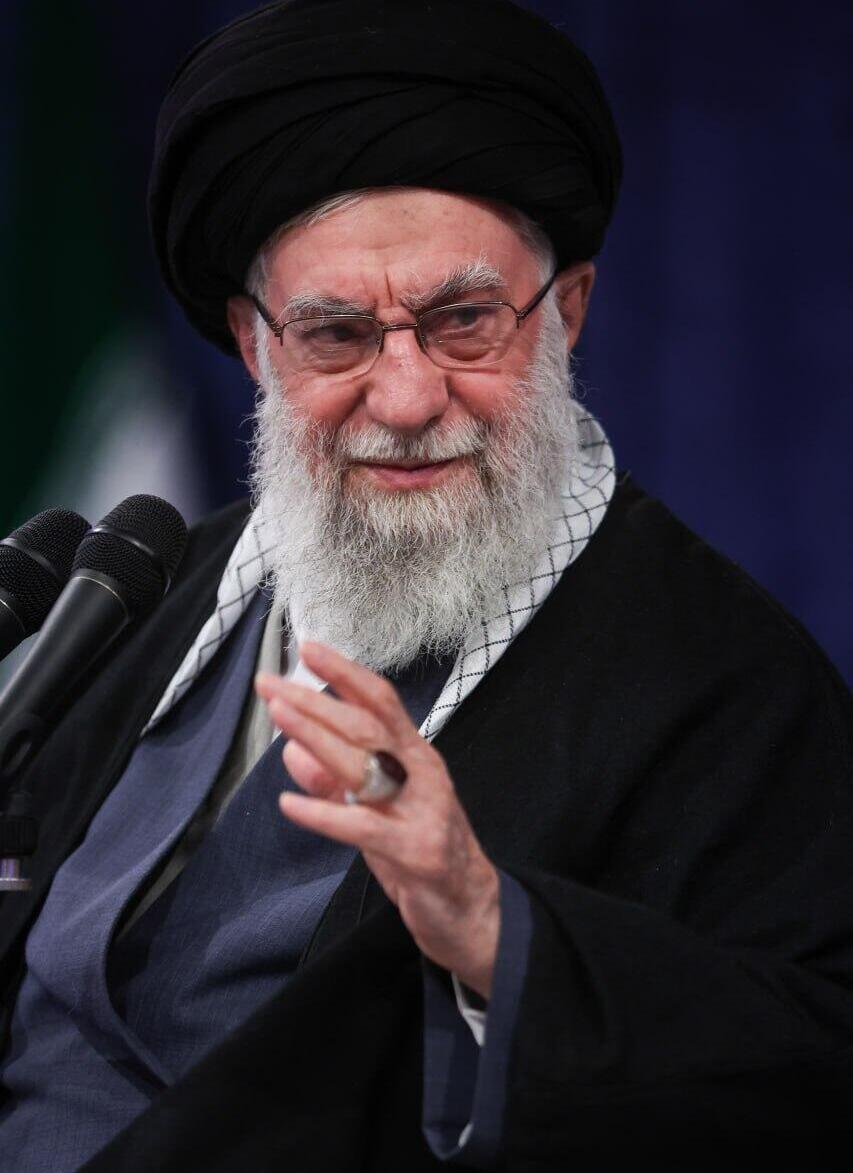
Iran's Supreme Leader Ali Khamenei
One reason this issue looms large in Israeli public discourse is the recent understandings between Netanyahu and Trump at Mar‑a‑Lago. In a joint press event, Trump warned that if Iran resumed uranium enrichment, the U.S. would act swiftly. On ballistic missiles, he said: “We will act, but we will assess the situation.”
Currently, Iran has not resumed nuclear enrichment, though it has expanded its ballistic missile program. However, many of Iran’s missile production capabilities — especially solid‑fuel production machinery destroyed by Israel in Operation Rising Lion— were significantly degraded. Recent reports also noted a fire at an ammonia plant — a key component in missile fuel — indicating that Iran has yet to achieve full missile‑production capability at a scale posing a direct existential threat.
Iran’s ballistic production remains limited, though it could reach dangerous levels in coming months — at which point the question of a potential strike might resurface.
Demonstrations against the Iranian regime last weekend
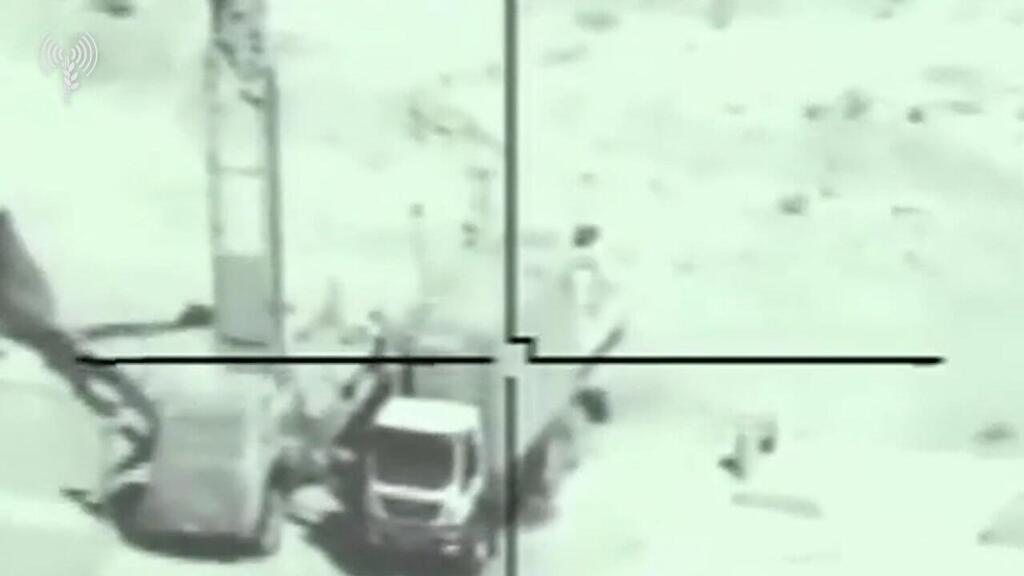
Attack on an Iranian missile launcher during Operation Rising Lion
(Photo: IDF Spokesperson's Unit)
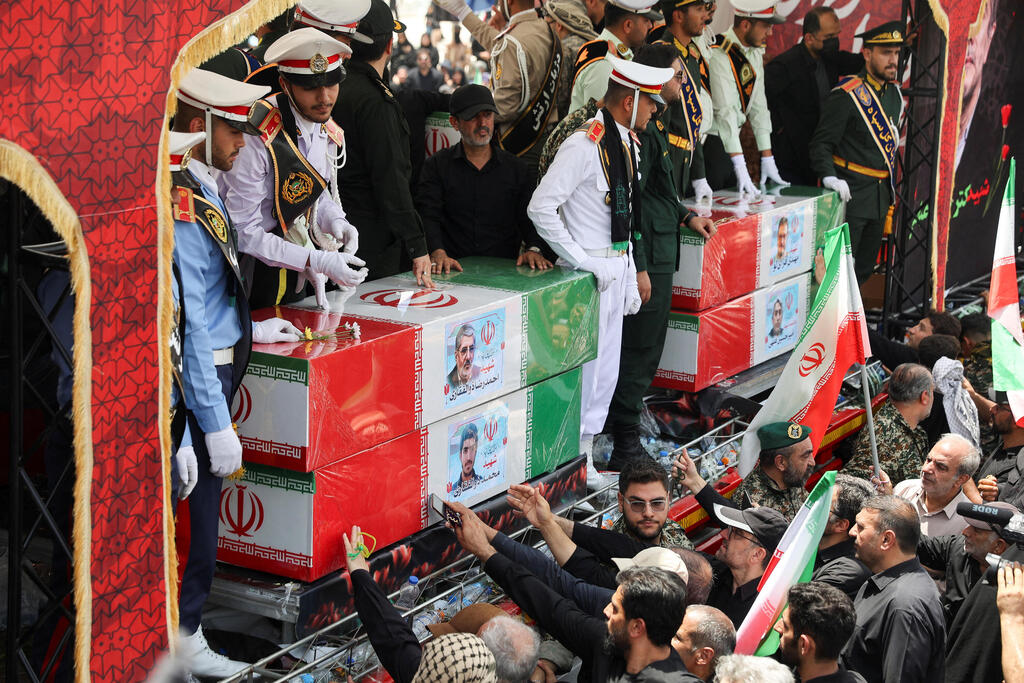
Huge funerals for Iranian officials who were eliminated last June in the strikes
(Photo: Majid Asgaripour/WANA via Reuters)
Recent IRGC missile and drone drills are aimed both at domestic audiences and at deterring Israel and the U.S., signaling “we have missiles and can inflict serious damage.” But Iran’s leadership is highly cautious; such exercises are meant to discourage, not provoke.
At present, neither Israel nor the U.S. has a compelling reason to strike Iran — beyond the fact that Iran’s air defenses are largely weakened after Israeli strikes in Operation Rising Lion. This vulnerability could tempt a preemptive attack, but given Iran’s limited missile production and the limited strategic gains of such an attack, it’s unlikely to occur soon.
There is also a plausible scenario in which continued unrest — and Tehran’s careful, non‑lethal handling of protests — could push Iran toward negotiations with the U.S. over nuclear weapons, ballistic missiles and destabilizing activities. This outcome, reducing regional threats, is exactly what both Israel and the U.S. would prefer.
Air Force fighter jets take off for attack on Tehran in June
(צילום: דובר צה"ל)
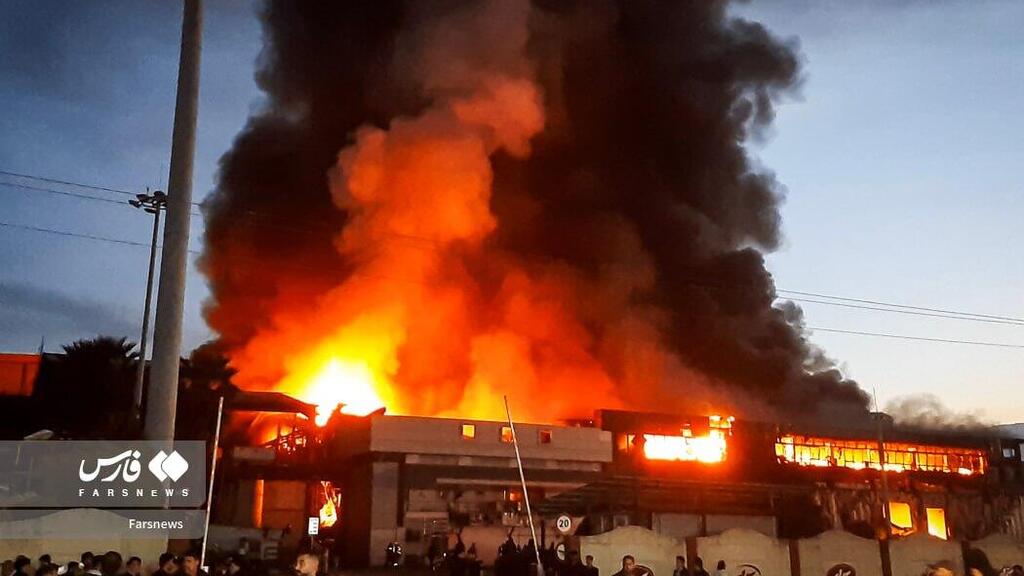
Protesters set fire to a factory in Iran
For now, sanctions relief may be the only real path to alleviate Iran’s economic crisis — and such an outcome could motivate Tehran to engage diplomatically. Until it becomes clear whether such negotiations are possible, an attack by Israel or the U.S. remains improbable.
An Iranian attack on Israel would provide a perfect pretext for a comprehensive strike on the IRGC, Basij and the army — the backbone of the regime — likely hastening its collapse. For this reason, Iran has no incentive to initiate such action.
Israelis should take comfort in the fact that, for now, neither Iran nor the U.S. nor Israel has cause to escalate militarily — even as the situation continues to evolve.