

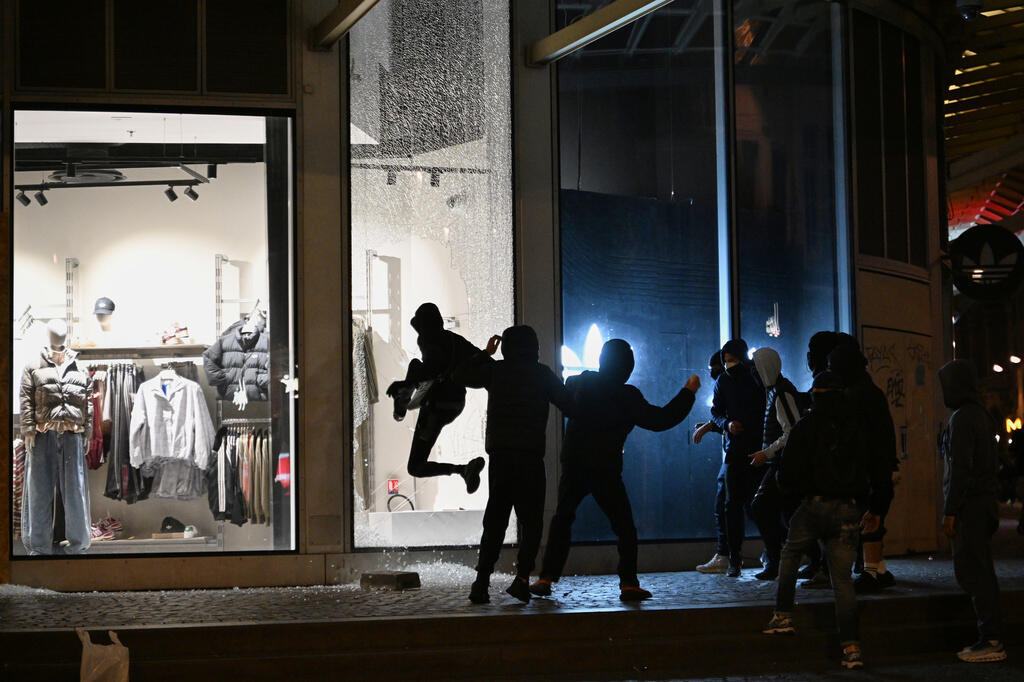
From Paris to Lisbon, Madrid to Milan and Brussels to Tirana, the capital of Albania, Europe is burning. Turbulent protests, violence, clashes with police, injuries, vandalism, destruction and looting have swept across the region. The demonstrations that began in France are spreading throughout Europe in a kind of domino effect.
Why is this happening? Each country has its own circumstances, but they all share a common economic and social story. Europe's young people are frustrated. They look to the future and see little reason for optimism: The job market is stagnant, while rents and home prices are soaring.
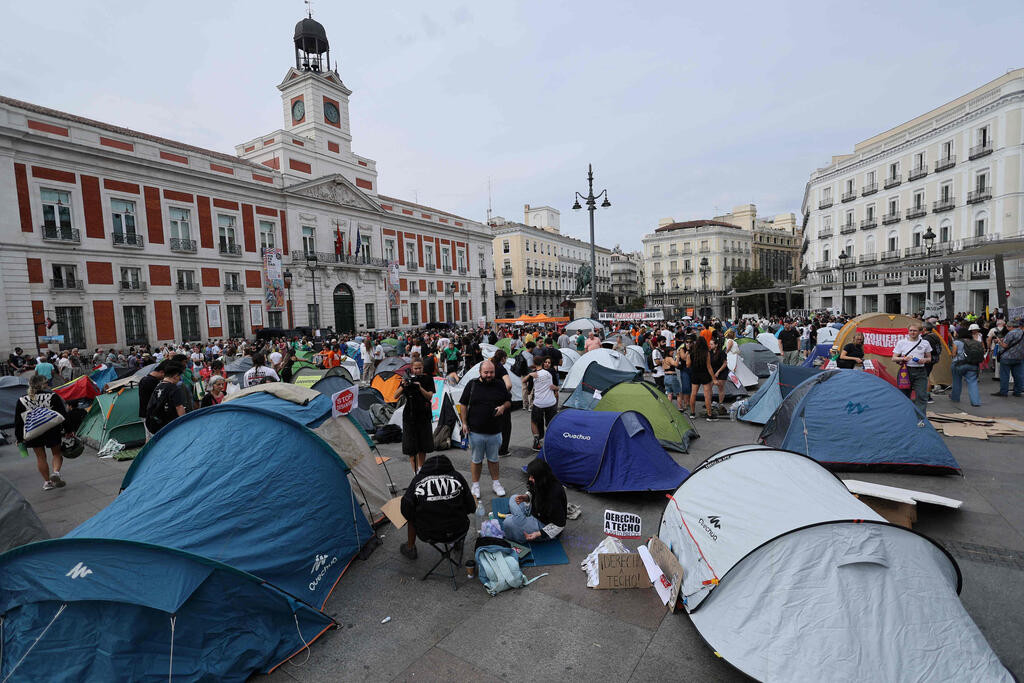
A tent protest in Madrid over the housing crisis
(Photo: Thomas Coex / AFP)
Even making ends meet has become increasingly difficult. The sharp rise in fuel prices, exacerbated by the war with Iran, coupled with rising food prices, has pushed the cost of living to the forefront of public debate across Europe.
Add to that painful cuts to social welfare programs in Western European countries as governments divert resources toward defense spending amid fears of war with Russia, along with political polarization that has helped trigger the violent demonstrations. In France and Italy, governments have accused the radical left of fueling the unrest for political gain.
Is there a direct connection between protesters in the different countries? For now, at least, it appears not. But there is little doubt that a domino effect is underway. Images of half a million demonstrators in France are inspiring people in Italy, Spain and Portugal to take to the streets and demand similar solutions from their governments.
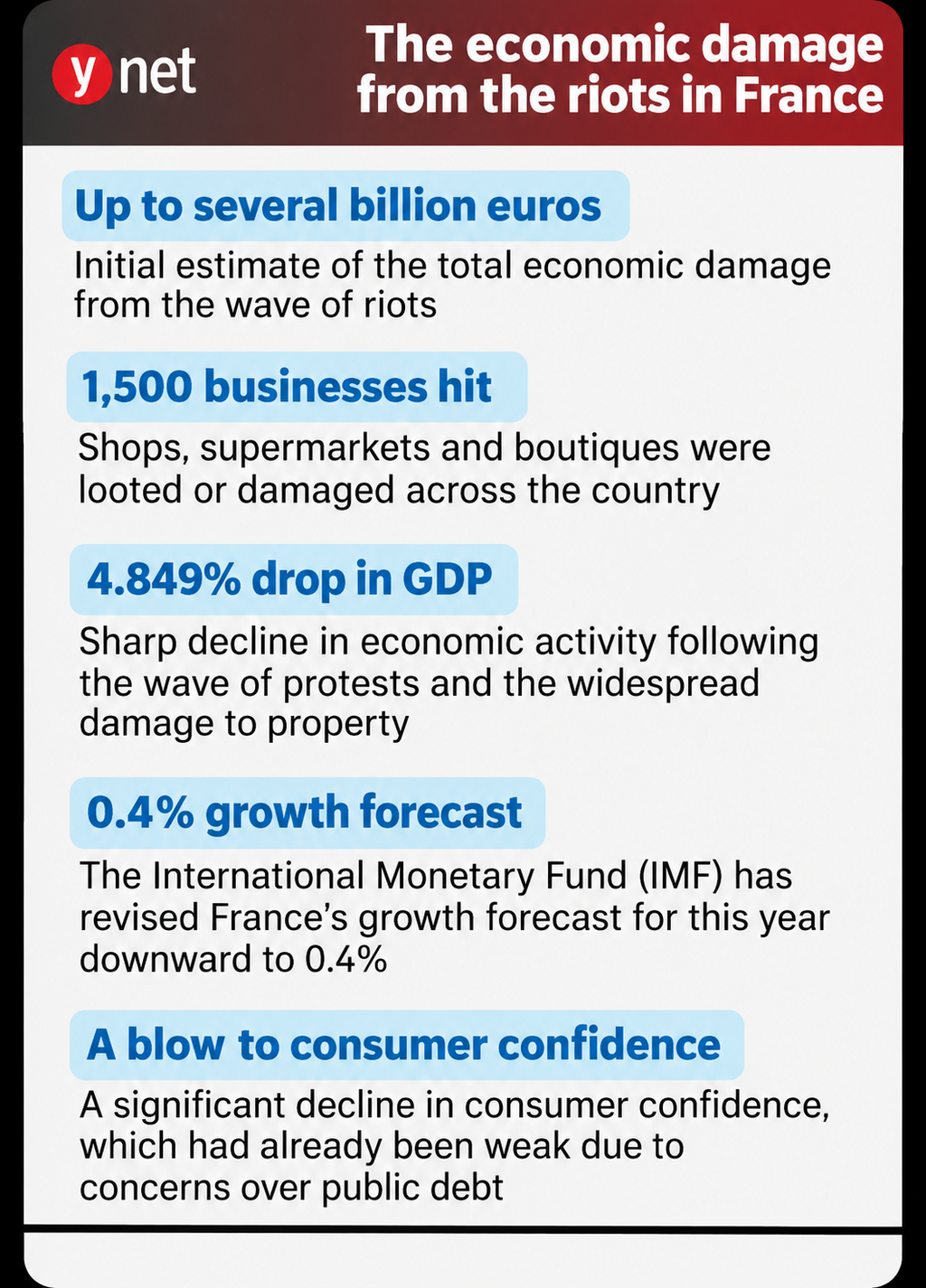
Economic crises do not stop at national borders. Rising energy and commodity prices are affecting citizens across the European Union simultaneously, creating similar conditions for outbreaks of public anger.
The protests are not part of a coordinated effort, but they are linked by a strong ideological and economic thread. Young people across Europe share the same concerns about their futures, face similar economic hardships and use the same digital tools and social media platforms to mobilize protests and shake the streets.
Macron's failed revolution
Shortly before being elected president of France in 2017, Emmanuel Macron wrote a book titled "Revolution", in which he promised — and convinced his supporters — that he could rebuild France, put its economy back on its feet, free it from the crushing burden of debt and restore its rightful place as one of the leaders of the free world.
Nearly a decade later, France has indeed experienced an economic "revolution," but not the one its citizens envisioned when they elected Macron.
Instead, there is extraordinary violence in the streets, injuries and arrests, centuries-old buildings consumed by flames, looting and a government seemingly powerless in the face of economic protests that appear to have spiraled completely out of control.
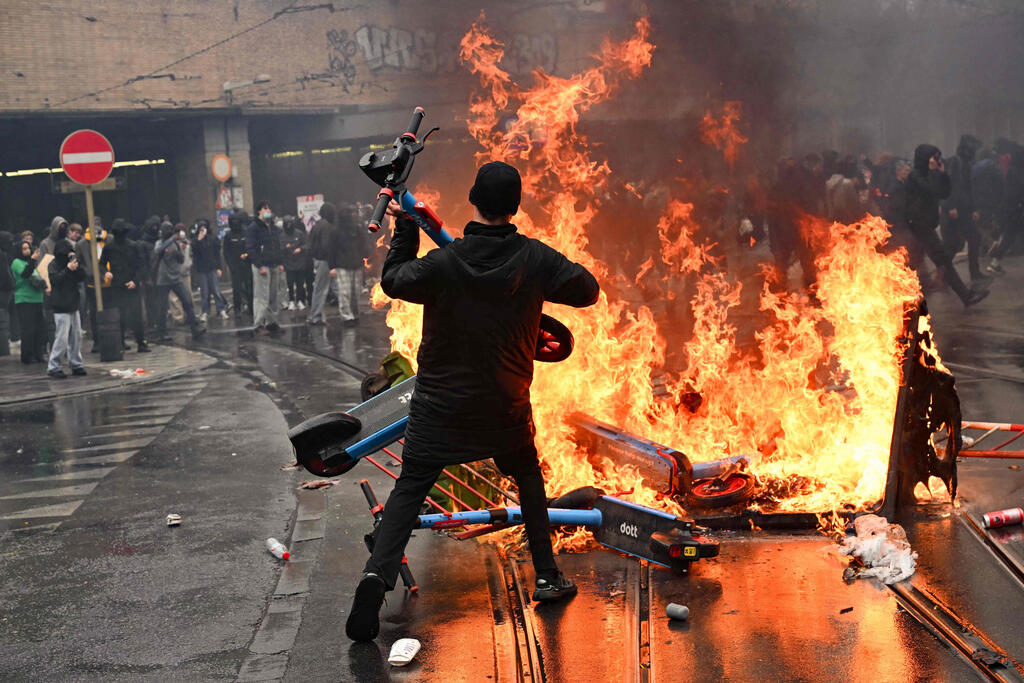
Protests in Belgium
(Photo: NICOLAS TUCAT / AFP)
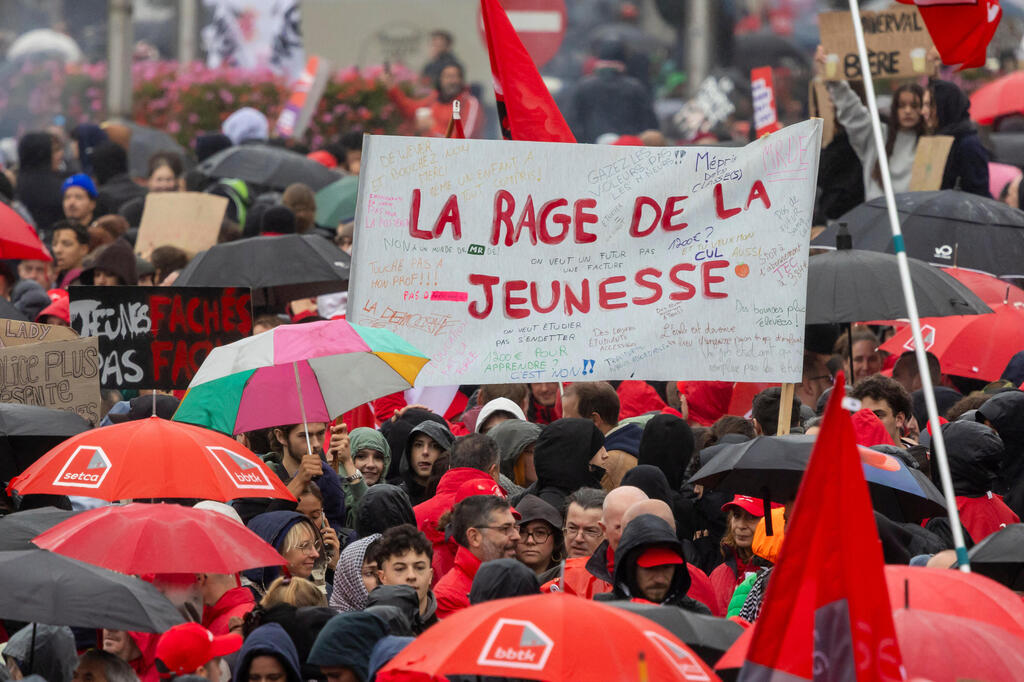
Young protesters vent their anger during demonstrations in Belgium
(Photo: NICOLAS TUCAT / AFP)
The demonstrations began four weeks ago as a student-led protest protest over deteriorating conditions in French schools: severely overcrowded classrooms, an acute shortage of teachers and deteriorating infrastructure. Students described having to study in classrooms infested with cockroaches and rats.
But over the past weekend, members of the Yellow Vest movement, which has been involved in turbulent and often violent protests across France for several years over the rising cost of living, joined the demonstrations. Their involvement coincided with a sharp escalation in violence, looting and clashes with police.
The main driving force behind the mass protests is France's mounting debt burden. The country has been forced to borrow more and more money and pay high interest rates on those loans, squeezing the national budget and leaving fewer resources for education, addressing the housing crisis or delivering promised tax cuts.
Add the global impact of the wars in Iran and Ukraine, which have driven energy prices sharply higher, and the result is a recipe for unrest.
According to forecasts, France is expected to pay more than 90 billion euros in interest on its debt next year, exceeding its defense or education budget.
France's debt burden is choking its economy. The president and his ministers promise citizens a brighter future, then take out another loan to finance it. Now, it appears, France has reached its breaking point.
A tent city in Lisbon
While France reels from the destruction in its streets, violent unrest has begun spreading to other European countries.
In Lisbon, Portugal's capital, protesters have set up tent encampments in the city center, demanding government action to address the housing crisis and the rising cost of living. After several weeks of relatively peaceful demonstrations, protests in Lisbon turned violent over the past weekend. Demonstrators clashed with security forces, raising fears in the country that this may be only the beginning.
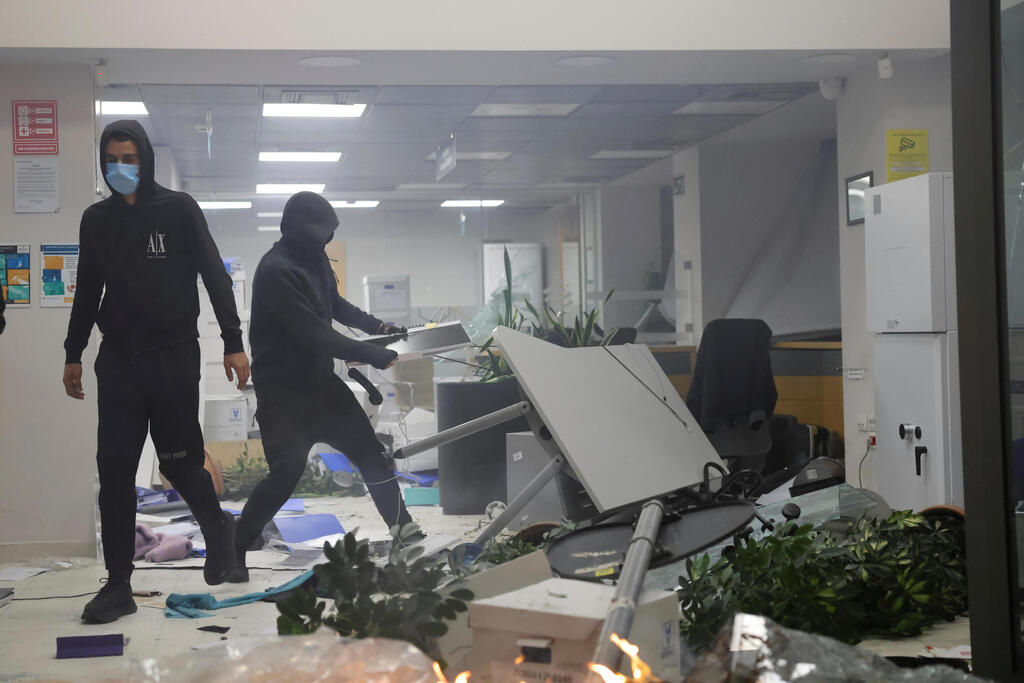
Damage to a bank branch in Albania
(Photo: AP Photo/Hameraldi Agolli)
In Milan, demonstrations against the high cost of living spiraled out of control. Masked protesters hurled stones, bottles and firecrackers at police officers. The riots left numerous people injured and under arrest, including minors. City authorities were eventually forced to evacuate malls and popular tourist attractions, which are usually packed on weekends.
In Spain, Prime Minister Pedro Sánchez has already announced early elections in response to a wave of protests over soaring rents and social inequality. The unrest erupted last month after an 87-year-old woman was evicted from her home because she could not afford a 230% rent increase imposed by investment companies that had purchased the apartment where she lived.
In Tirana, Albania's capital, thousands of angry demonstrators also took to the streets to protest high university tuition fees and demand the resignation of Prime Minister Edi Rama. Protesters hurled stones, Molotov cocktails and firecrackers at police officers and set cars and garbage bins on fire.
Smaller-scale demonstrations also took place in Brussels over the weekend.
The big question now hanging over Europe is whether the wave of protests will subside after reaching a peak over the weekend, or whether this is merely the beginning of a broader uprising that will sweep across the continent and spread to more countries and cities.