


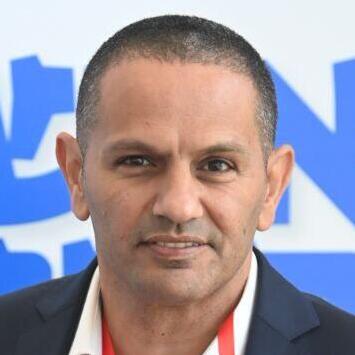
Following Yisrael Beytenu party chairman Avigdor Liberman's declaration that he is willing to compromise on the issue of Haredi military conscription, and the latest political storm over the principle of equal military service, the IDF is making one thing unmistakably clear this week: Its severe manpower shortage has not changed, and the military urgently needs thousands more soldiers.
According to IDF figures, the military currently faces a shortage of approximately 12,000 soldiers, including some 7,500 combat troops. "Our need for combat soldiers and combat support personnel has not changed because of the elections or political upheavals," a senior General Staff officer said. "The shortages remain exactly the same. The State of Israel needs a new conscription law that will regulate the length of military service, extend it to 36 months, reduce the number of exemptions and reform the reserve service law."
Gallery
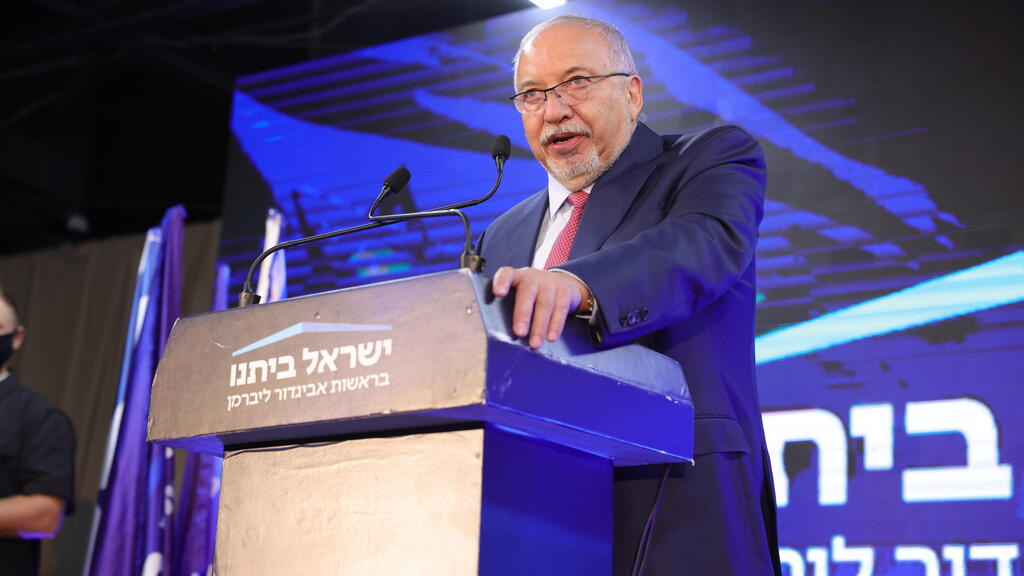
Yisrael Beytenu Chairman Liberman is signaling flexibility on Haredi conscription
(Photo: Oz Moalem)
The military emphasizes that it has taken every possible step to ensure the appropriate and respectful integration of Haredi recruits. For the first time, the IDF has issued a formal General Staff directive establishing the conditions and separate service frameworks requested by Haredi rabbis.
Over the past week, IDF Chief of Staff Lt. Gen. Eyal Zamir visited a Haredi hesder yeshiva, which combines religious studies with military service, and reiterated that commitment to its students. "The lessons we have learned require us to strengthen the military's ranks and broaden the pool of those who serve," Zamir said. "The IDF is not asking you to change your identity. Our goal is for you to enter the military as Haredim and leave as Haredim. That is my personal commitment."
Significant growth, but still far short of the potential
Figures previously revealed by ynet and Yedioth Ahronoth show that the number of Haredi recruits is expected to rise from 2,800 last year to approximately 4,300 this year. That represents a significant increase, but from the IDF's perspective, the military remains far from realizing the full recruitment potential.
Each Haredi age cohort includes approximately 14,000 young men. Even if one assumes that only around 5,000 are full-time Torah students whose religious studies are their occupation, a vast pool of potential recruits remains untapped. This is especially true given that the current recruitment figures include men from several age groups, ranging from 18 to 26.
The critical issue, however, is not merely how many Haredi men enlist, but where they are assigned. The IDF desperately needs combat troops, yet of approximately 4,000 current Haredi recruits, only about a quarter, roughly 900 young men, enter combat units. Another quarter prefer technological positions that provide valuable civilian career skills and sometimes allow them to serve without wearing military uniforms, as in the expanding Kodkod program.
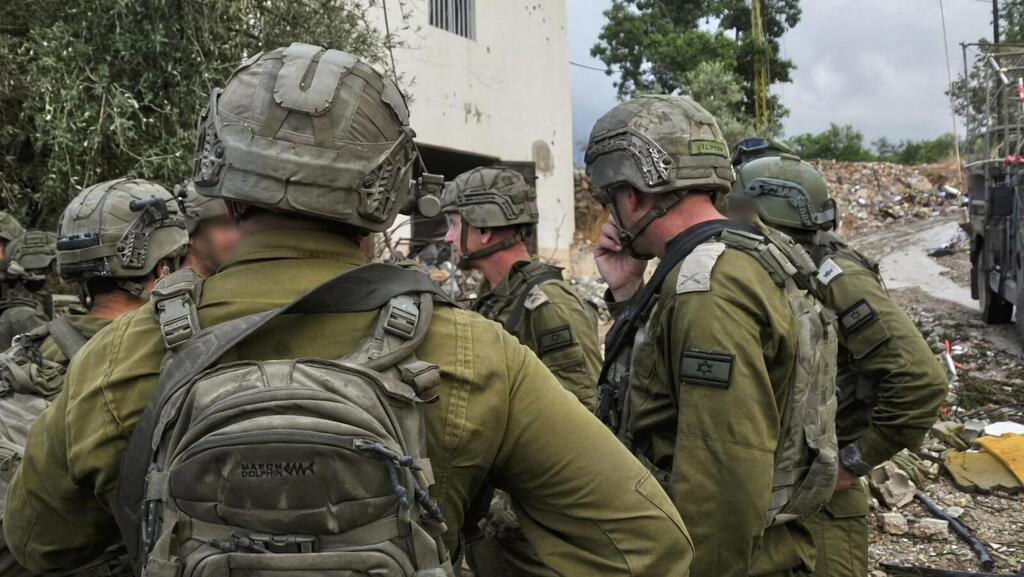
IDF soldiers in southern Lebanon
(Photo: IDF Spokesperson's Unit)
These recruits provide essential manpower for a military increasingly dependent on advanced technology. But with a shortage of 7,500 combat soldiers and newly established battalions lacking sufficient personnel, it is clear why senior IDF commanders remain concerned.
The new Haredi infantry brigade, known as the Hasmonean Brigade, currently has only one fully staffed battalion out of four. Although recruitment is moving in a positive direction, the pace remains nowhere near sufficient to meet operational requirements on the ground. It also demonstrates that the conditions for integrating Haredi soldiers are already in place.
While the political debate continues, the burden on combat soldiers in the field is enormous. Throughout the long months of fighting, troops have had little opportunity to rest, moving constantly from one front to another: from Gaza to Lebanon, from the West Bank to Syria.
They barely have time to train, and their recovery periods have been reduced to less than a month. Beyond the physical and mental strain, this reality severely undermines the IDF's force-building capabilities, particularly for an army that must train and prepare for the next war.
Because of the shortage of conscripts, the IDF is forced to rely on tens of thousands of reservists at any given moment. This temporary solution comes at an enormous economic cost, placing a substantial burden on both the Israeli economy and the state budget.
The military is pursuing a series of internal measures to address the crisis, including transferring personnel into combat roles, retaining serving soldiers, reducing attrition and establishing new units. But these measures are little more than a temporary fix.
Without significant legislative reform, large-scale Haredi enlistment and the restoration of mandatory military service to three years, the shortages cannot be closed. The IDF's demands are not political. They reflect an essential operational need arising from the multifront conflict Israel is facing.
Blatant hypocrisy
Against this backdrop, Liberman's latest declaration is particularly infuriating. For years, he presented himself as a champion of equal military service. Yet rather than helping build a broad consensus that would enable meaningful Haredi recruitment, he has chosen a course that has helped bury that possibility for the foreseeable future.
The hypocrisy is glaring. For months, entire political campaigns have been built around the figures and reports that have been published concerning the shortage of combat troops and the growing burden on reservists.
Those figures are extremely useful for attacking political opponents. But when the decisive moment arrives, when difficult decisions must be made and the professional measures demanded by the IDF require political backing, it becomes clear how few people are prepared to assume national responsibility.
Ultimately, the numbers do not lie, and they do not change. The military needs combat soldiers now. Continued arguments over political credit and mutual accusations will not fill the empty ranks of its battalions.
A conscription law that genuinely meets the military's needs cannot be postponed until another government or another election. It is a matter of the highest national security importance, and a responsibility shared by all of us.