


Ahead of the meeting between Prime Minister Benjamin Netanyahu and U.S. President Donald Trump, Israeli officials are concerned that Washington may force a transition to Phase II of the Gaza agreement without the return of the last killed hostage, Israel Police Yamam special operations unit Staff Sgt. Ran Gvili, and without firm commitments to Hamas’ disarmament and the demilitarization of the Strip.
In Jerusalem, there is concern that the Americans will seek to move forward “at any cost,” potentially demanding further Israeli withdrawals and the opening of the Rafah crossing in both directions, while showing less interest in the facts on the ground. Netanyahu is therefore expected to request guarantees from Trump before agreeing to move to Phase II.
Gallery
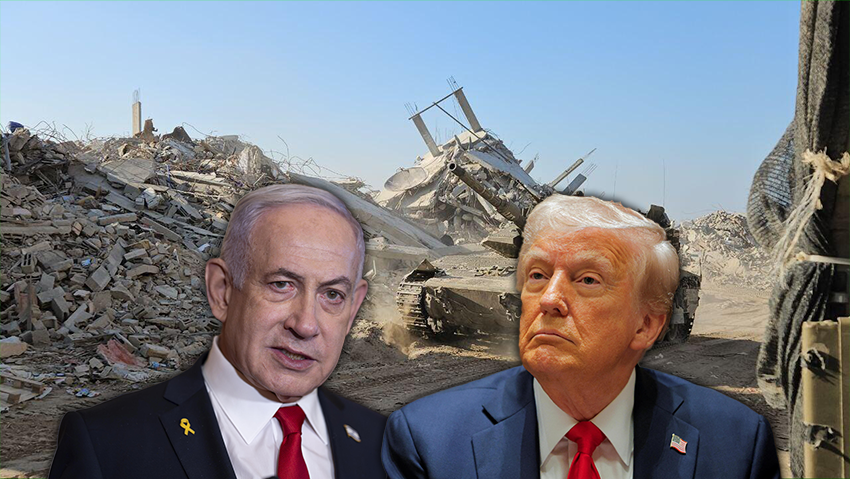
Prime Minister Benjamin Netanyahu and President Donald Trump will meet in Mar-A-Lago on Monday
(Photos; Yoav Zitun)
Netanyahu, his wife Sara and their delegation landed in Florida on Sunday evening. Gvili’s mother and brother are also expected to join Netanyahu in the United States, and Israel hopes Trump will agree to meet them, to show him that a family is still waiting for closure. Among the guarantees Netanyahu is expected to seek are a commitment to Gvili’s return and firm assurances regarding Hamas’s disarmament and the demilitarization of Gaza.
Israeli officials are particularly troubled by U.S. references to vague formulations about “removing weapons from service,” rather than full disarmament. Such ambiguity, Israel fears, could allow Hamas to exploit the situation by transferring weapons into storage. Israel is expected to stress to Trump that when it comes to Hamas, there can be no ambiguity and that the terms must be absolutely clear. Jerusalem worries about symbolic gestures, such as handing over obsolete weapons or placing arms in storage facilities that Hamas could later break into and reclaim.
Trump: I will reveal the members of the Gaza Peace Council in early 2026
(Video: White House)


In addition, Israel is insisting on strict implementation of Trump’s plan in full. “At this stage, we are demanding adherence to all commitments under the Trump agreement in their entirety, Phase I, Phase II, disarmament and demilitarization,” a senior political source said. The transition to Phase II is one of the central points of dispute between Israel and the United States, and frustration has already been building in Trump’s circle over what is seen as Israel’s overly trigger-happy responses to incidents in Gaza and its alleged obstruction of the agreement’s implementation.
Some around Trump are also said to be “poisoning the well” against Netanyahu, as are Qataris and Saudis, who are close to Trump and his advisers. Still, Israeli officials believe Netanyahu may be able to reach understandings in a one-on-one conversation and stress that when it comes to Israel’s security needs, Trump has never put Israel at risk. A battle is therefore underway for Trump’s ear, between his advisers and Netanyahu himself.
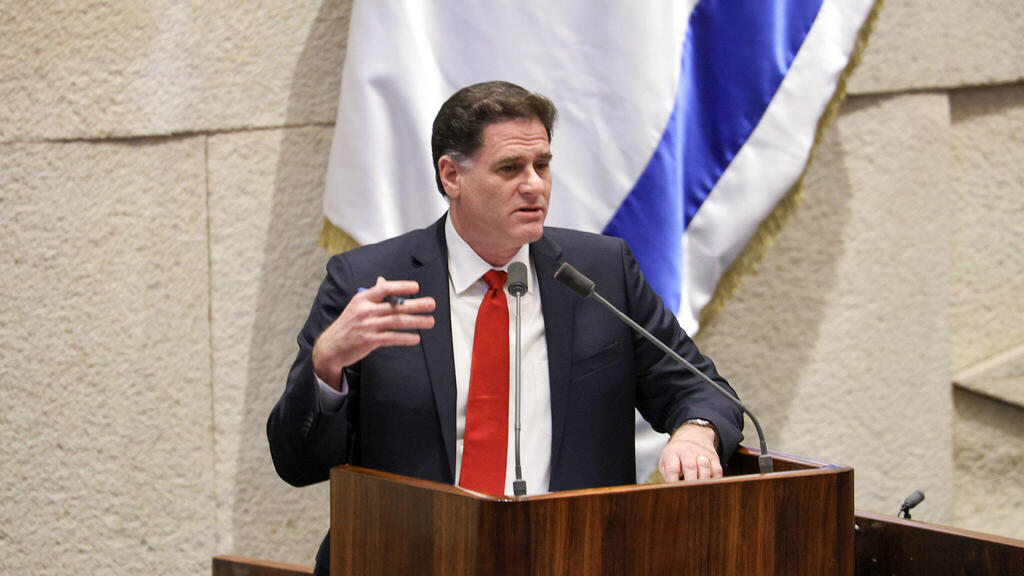
Ron Dermer will not be present for the summit
(Photo: Danny Shem Tov, Knesset Spokesperson's Office)
Notably absent from the meeting will be Ron Dermer, Netanyahu’s closest confidant. As a result, much will depend this time on Israel’s ambassador to the United States, Yechiel Leiter, and on how effectively he prepared the ground during intensive contacts in Florida over the past week, ahead of Netanyahu’s arrival.
Netanyahu is expected to seek clarity from Trump on his vision for Hamas’ disarmament and Gaza’s demilitarization, which Israel views as the foundation for any progress on reconstruction, governance in Gaza and related issues. He will also want details on how the international force being assembled by the Americans is expected to operate.
For now, Netanyahu’s associates emphasize that everything is already included in Trump’s 20-point plan, which Israel accepted, and that the challenge is translating it into practice. A key question regarding the international stabilization force is its composition. During a recent meeting of the political-security cabinet, it was reported that the United States has secured commitments from three countries to send troops. Netanyahu is expected to hear further details from Trump and to reiterate that, from Israel’s perspective, Turkey and Pakistan cannot be part of the force.
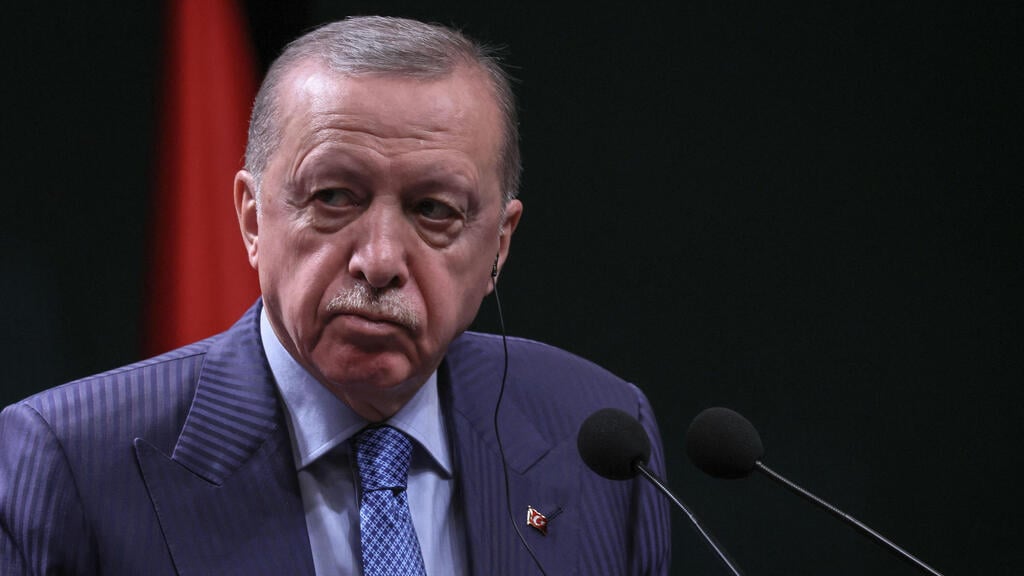
Turkish President Recep Tayyip Erdogan
(Photo: Adem Altan / AFP)
Unlike the previous meeting, when Trump forced Netanyahu into a reconciliation with Qatar, Israeli officials do not expect a similar move this time regarding Turkish President Recep Tayyip Erdogan. Still, based on past experience, Trump may attempt to mediate, aware that Turkey is a key player in Gaza’s reconstruction and that progress without Ankara would be difficult. While the Americans have said they will not impose unwanted countries on Israel, Israeli officials acknowledge that if Turkish participation becomes the difference between success and failure of Trump’s plan, Netanyahu may again learn that when the U.S. president wants something, he knows how to impose his will.
According to assessments, Trump is expected to announce the move to Phase II in Gaza and the establishment of the stabilization force sometime in January. Even then, the force is not expected to deploy immediately, with additionally weeks of logistical preparations required.
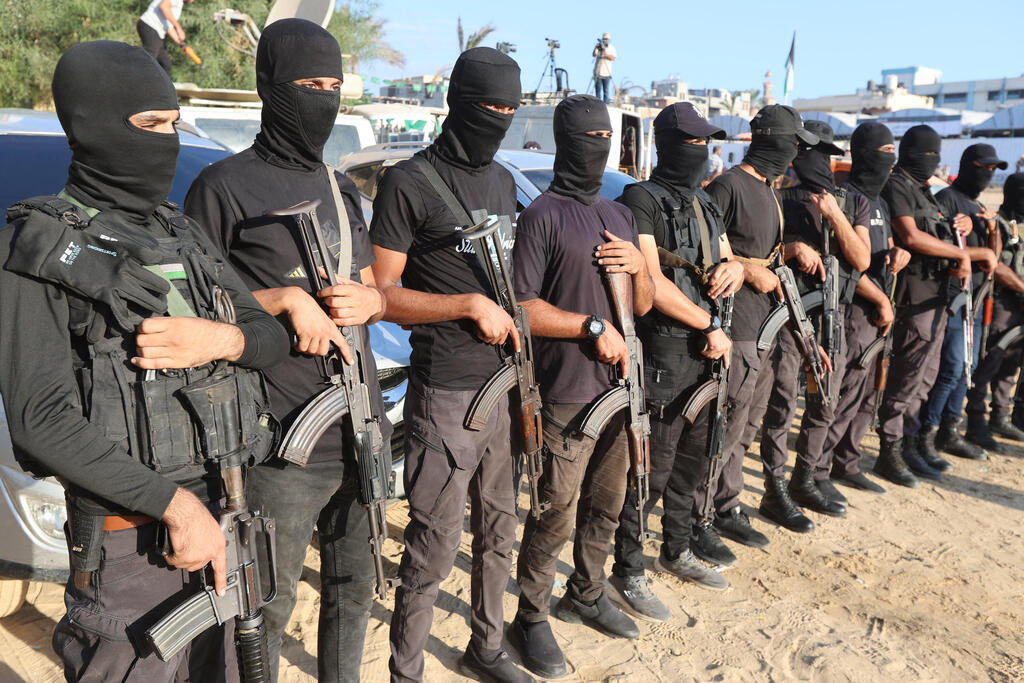
Gaza armed Hamas terrorists on the day of the release of hostages
(Photo: Ramadan Abed/Reuters)
Netanyahu is also expected to press for clarity on timelines for Hamas’ disarmament in Phase II. Here, there is a significant gap: the Americans are reportedly speaking in terms of several years, while Israel is demanding months. The two sides are also expected to discuss the U.S. pilot project in Rafah, an initiative Israel has welcomed and on which there is reportedly little disagreement.
Another issue on the agenda is the technocratic body that would govern Gaza under Trump’s proposed peace council. The Americans want to include figures linked to the Palestinian Authority, while Israel opposes this and seeks a clear break from Hamas alongside minimal ties to the PA. Israel wants the body to consist primarily of professional, moderate figures.
Netanyahu is also expected to present Trump with intelligence on Hamas’ renewed buildup and armament, underscoring the need for concrete steps to ensure genuine disarmament and demilitarization. Additional topics are expected to include strengthening U.S.-Israel cooperation in cutting-edge strategic and technological fields, with an emphasis on AI, quantum technologies and cyber, areas in which Israel is seen as highly advanced.
The sides are also expected to discuss Israel’s recognition and agreement with Somaliland and its strategic importance, particularly in relation to the Houthis and the security of shipping lanes, which would also benefit the United States. On Syria, Netanyahu is expected to deliver a clear message to Trump and Secretary of State Marco Rubio that, based on current assessments, Israel cannot view Ahmad al-Sharaa as a reliable partner.
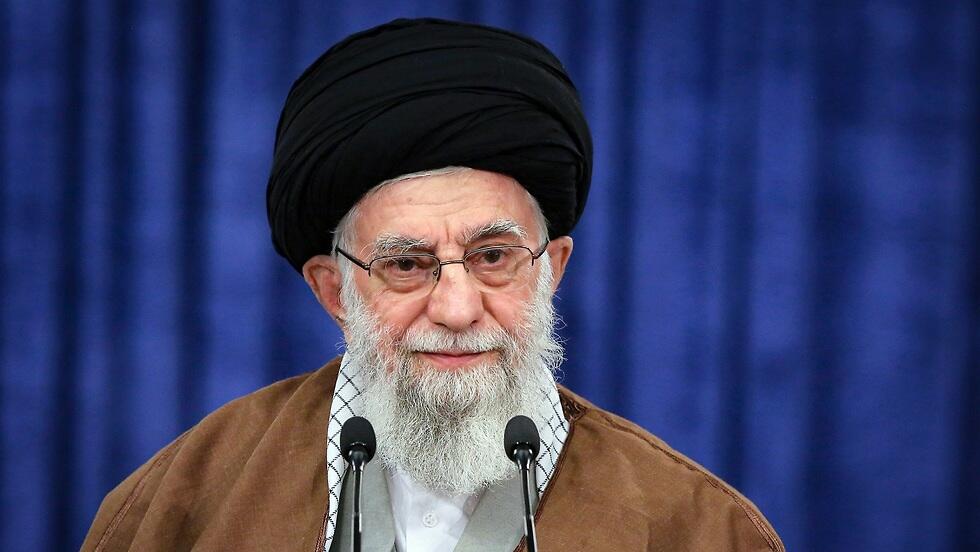
Iran's Supreme Leader Ali Khameini
(Photo:: AP)
There is disagreement between the sides on Syria, with the United States believing the new leadership should be given a chance, while Israel fears pressure to withdraw from strategically dominant areas. Washington is seeking a security arrangement as quickly as possible, but an Israeli official cautioned that given the rhetoric and behavior of al-Sharaa’s forces, “we need to be very careful and not rush.”
On Iran, Netanyahu is expected to convey two key messages: the need to prevent escalation and the need for massive economic pressure on Tehran. He will seek to reach an understanding with the Americans on what a “good deal” with Iran should look like, one that must include zero uranium enrichment in Iran. Netanyahu’s message to Trump will be that any agreement must adhere strictly to the principles of zero enrichment, removal of enriched material, zero centrifuges and intrusive IAEA oversight.
The issue of ballistic missiles is also expected to be raised, with Israel presenting intelligence on troubling advances in Iran’s missile program. Still, Israeli officials stress that the two threats are not equivalent: for Israel, the nuclear issue is existential, while missiles are a threat Israel has dealt with before.
When Netanyahu speaks of a “good deal,” he is also expected to seek understandings with Trump on what happens if such a deal cannot be reached, including when and whether military force would be used. In practical terms, Netanyahu will attempt to coordinate with Trump on when Israel would receive a “green light” for military action and under what conditions the United States would participate or allow Israel to act alone. The prevailing assessment is that Trump is not eager for a military confrontation with Iran, but that if convinced Tehran is deceiving him, he would not hesitate to order U.S. strikes or support Israeli action.
On Lebanon, Israel and the United States largely see eye to eye. Israeli officials believe the Lebanese army is moving far too slowly and is far from achieving demilitarization in the south. If no alternative emerges, Israel may again strike Hezbollah. A senior official said the Lebanese government is eager to dismantle Hezbollah but is struggling to do so. For now, Israel’s inclination is to maintain control of certain areas, continue operations as needed, closely monitor developments and remain ready to act.
Netanyahu’s U.S. visit schedule includes an initial meeting on Monday at 9 p.m. Israel time with Rubio, followed about an hour and a half later by a meeting with Trump at Mar-a-Lago. On Tuesday, he is expected to hold a phone call with Vice President J.D. Vance, and on Wednesday he will meet with evangelical leaders and attend an event at a synagogue in Miami.